
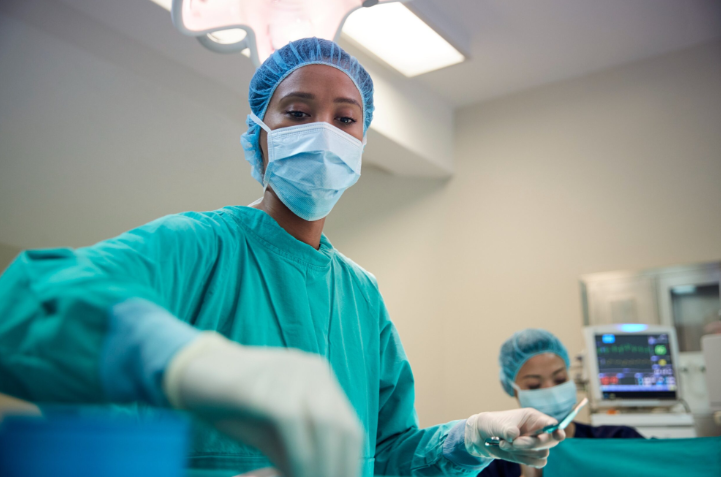
Spinal fusion surgery is a major procedure that can help people with serious back or neck problems when other treatments have not provided enough relief. Choosing the right surgeon is one of the most important decisions a patient can make. A skilled spine specialist can explain the cause of the problem, review treatment choices, and determine whether spinal fusion is truly appropriate. For patients searching for the Best Spine Surgeon in Los Angeles, understanding what to look for can make the decision easier and more informed.
Los Angeles has many orthopedic surgeons, neurosurgeons, and spine specialists who treat conditions affecting the spine. However, experience with spinal fusion, a careful approach to diagnosis, and strong communication are important factors to consider. The best surgeon is not simply the person with the most impressive title. The right choice is a qualified specialist who understands the patient’s condition, explains realistic results, and creates a treatment plan based on individual needs.
Understanding Spinal Fusion Surgery
Spinal fusion surgery is designed to join two or more vertebrae so they heal into a single, more stable section of the spine. The procedure may be recommended when movement between damaged vertebrae causes pain, instability, nerve pressure, or other serious symptoms. During surgery, the surgeon uses bone graft material and may use implants such as screws, rods, or plates to help stabilize the affected area while the bones heal.
The spine has a complex structure made up of bones, discs, nerves, joints, ligaments, and muscles. Because these parts work together, a problem in one area can affect other parts of the body. A damaged disc, spinal deformity, fracture, or unstable vertebra may lead to persistent pain, weakness, numbness, or difficulty with normal activities. A spine surgeon must consider all of these factors before recommending an operation.
Spinal fusion is not automatically the first treatment for back pain. Many patients improve with nonsurgical care such as physical therapy, activity changes, medication, injections, and other conservative treatments. Surgery may become an option when symptoms continue despite appropriate nonsurgical treatment or when there is a structural problem that requires stabilization.
Common conditions that may lead to spinal fusion include degenerative disc disease, spondylolisthesis, spinal stenosis, scoliosis, certain fractures, recurrent disc problems, and spinal instability. The exact procedure depends on the location and cause of the condition. Cervical fusion is performed in the neck, while lumbar fusion is performed in the lower back. Each area requires specialized knowledge because the anatomy and surgical goals are different.
Patients looking for the Best Spine Surgeon in Los Angeles should therefore begin with an accurate diagnosis rather than choosing a surgeon based only on online rankings. A thorough examination and appropriate imaging can help determine what is actually causing the symptoms. X-rays, MRI scans, CT scans, and other diagnostic tests may be used when appropriate.
A good consultation should also include a discussion about alternatives. An experienced surgeon should be willing to explain why fusion may or may not be suitable. Patients should feel comfortable asking questions about the expected benefits, possible risks, recovery period, and other available treatments.
What to Look for in the Best Spine Surgeon in Los Angeles
Choosing a spine surgeon requires more than checking a website or reading a few patient reviews. Credentials, training, experience, communication, and the surgeon’s approach to patient care all matter. Patients should verify that the physician is properly licensed and trained in the specialty relevant to their spinal condition.
Experience with spinal fusion is especially important when surgery is being considered. Different fusion techniques may be used depending on the spinal level, diagnosis, bone quality, previous surgeries, and overall health. A surgeon who regularly treats complex spinal conditions may have greater familiarity with different surgical approaches and potential challenges.
Patients should also consider whether the surgeon specializes in the type of spinal problem they have. A patient with cervical spinal stenosis may need a different treatment strategy than someone with lumbar instability. Similarly, a person with spinal deformity may require specialized planning that differs from a patient undergoing a single-level fusion.
The Best Spine Surgeon in Los Angeles should also focus on patient education. Medical terminology can be confusing, especially when a person is already dealing with pain and uncertainty. A strong physician-patient relationship allows the surgeon to explain the diagnosis in simple language and make sure the patient understands the proposed procedure.
Communication matters before, during, and after surgery. Patients should know who to contact if they have questions during recovery. They should also understand how follow-up appointments, physical therapy, medications, and activity restrictions fit into the recovery plan.
Hospital and surgical facility standards can also be important. Patients may want to understand where the operation will take place and whether the facility has appropriate resources for spine surgery. In some cases, the surgeon may operate at more than one facility, so asking about the specific location is useful.
Patient reviews can provide insight into communication and overall experience, but they should not be the only factor used to make a medical decision. Online reviews are personal experiences and may not provide enough information about surgical outcomes or medical complexity. Professional credentials and an individual consultation are more useful for understanding whether a surgeon is appropriate for a specific condition.
It is also reasonable to seek a second opinion before elective spinal fusion. A second evaluation may confirm the recommendation or introduce another treatment option. This can give patients greater confidence before making a decision involving major surgery.
How Spinal Fusion Is Performed and What Recovery Involves
The exact method used for spinal fusion depends on the patient’s diagnosis and the section of the spine being treated. Before surgery, the surgeon reviews medical history, imaging, symptoms, and previous treatments. Surgical planning may also consider bone health, medications, smoking status, and other factors that can affect healing.
During the procedure, the surgeon reaches the affected portion of the spine through an approach suited to the patient’s condition. Damaged tissue may be removed or treated, and the surgeon places bone graft material where fusion is intended. Hardware may be used to maintain alignment and stability while the bone heals.
Some spinal fusion procedures use minimally invasive techniques. These approaches may involve smaller incisions and less disruption of surrounding tissues in appropriate patients. However, minimally invasive surgery is not suitable for every condition. The safest and most effective approach depends on the individual anatomy and surgical goals.
Recovery varies significantly from one person to another. Some patients may spend a short period in the hospital, while others may need a longer stay depending on the procedure and their overall health. Early recovery often focuses on safe movement, pain control, wound care, and preventing complications.
Physical therapy may become an important part of rehabilitation. A therapist can help patients gradually improve mobility, strength, posture, and body mechanics. Patients should follow the activity instructions provided by their surgical team because the fused area needs time to heal.
Bone fusion itself can take several months. Feeling better does not necessarily mean the fusion is completely healed. Follow-up appointments allow the surgeon to monitor progress and determine when it is safe to increase activity.
Patients should also understand that spinal fusion has potential risks. As with any major operation, possible complications can include infection, bleeding, blood clots, nerve injury, reactions to anesthesia, and problems related to the surgical hardware. Fusion may also fail to heal properly, a problem sometimes called nonunion or pseudarthrosis. The specific risks depend on the procedure and the patient’s health.
Smoking can negatively affect bone healing, which is why patients may be advised to stop smoking before and after surgery. Certain medical conditions and medications may also influence recovery. A complete discussion of personal risk factors with the surgeon is essential.
Finding the Best Spine Surgeon in Los Angeles is therefore only one part of preparing for surgery. Patients also play an important role by following preoperative instructions, attending follow-up visits, taking medications as directed, and participating in rehabilitation.
Questions to Ask Before Choosing a Spine Specialist
A consultation is an opportunity to learn whether a surgeon is the right fit. Patients should not hesitate to ask direct questions about their diagnosis and treatment options. Understanding the reasoning behind a recommendation can make the decision much less stressful.
One important question is whether spinal fusion is necessary. Patients can ask what problem the surgery is designed to correct and what could happen without surgery. It is also helpful to ask whether physical therapy, injections, medication, or other nonsurgical treatments are reasonable alternatives.
Patients may also ask which spinal levels need treatment and what type of fusion is being recommended. The surgeon should be able to explain the procedure in understandable language. Asking about the expected benefits and realistic limitations can help prevent unrealistic expectations.
Questions about recovery are equally important. Patients should understand how long they may need to limit certain activities, when they can return to work, and whether physical therapy will be recommended. Recovery time can vary based on the type of fusion and the patient’s overall health, so personalized guidance is more useful than a general timeline.
It is also appropriate to ask about surgical experience. Patients may want to know how often the surgeon performs the procedure and whether they regularly treat conditions similar to theirs. They can ask about the surgeon’s training, board certification, hospital privileges, and approach to complex cases.
A good surgeon should discuss risks honestly rather than promising perfect results. No responsible medical professional can guarantee a specific outcome because every patient has different anatomy, health factors, and healing ability.
Patients should also pay attention to how they feel during the consultation. A surgeon who listens carefully, answers questions clearly, and respects concerns can help create a stronger treatment experience. Trust and communication are especially important when considering major spine surgery.
The search for the Best Spine Surgeon in Los Angeles should ultimately be about finding the most appropriate specialist for the patient’s particular condition. A highly qualified surgeon may be an excellent choice for one type of spinal problem but not necessarily the ideal choice for every patient.
Making an Informed Decision About Spinal Fusion
Choosing spinal fusion surgery is a personal medical decision that should be based on reliable information and professional advice. Patients should understand their diagnosis, available treatments, expected benefits, potential risks, and recovery requirements before agreeing to surgery.
Los Angeles offers access to many medical professionals with experience in orthopedic spine care and neurosurgery. This can be helpful because patients may have several qualified specialists to consider. At the same time, having many choices can make the process confusing. A structured approach can help patients focus on qualifications, relevant experience, communication, and individualized care.
The Best Spine Surgeon in Los Angeles for one patient may not be the same surgeon who is best for another. The most important consideration is whether the physician has appropriate expertise for the patient’s condition and provides a treatment plan supported by a careful evaluation.
Patients should also be cautious about claims that sound too good to be true. Promises of guaranteed pain relief, instant recovery, or perfect results should raise concerns. Quality medical care involves honest conversations about both advantages and limitations.
Before surgery, patients should provide their surgeon with a complete medical history, including previous operations, current medications, allergies, and relevant health conditions. They should follow instructions about medications, eating, drinking, exercise, and other preparation requirements.
After surgery, following the recovery plan is just as important. Patients should keep follow-up appointments and report concerning symptoms promptly. Rehabilitation can help restore function and improve confidence as the body heals.
Spinal fusion can be a valuable treatment for carefully selected patients with structural spinal problems. When performed for the right reason by an appropriately trained specialist, it may improve stability and reduce symptoms related to the underlying condition. However, it is still major surgery and should be approached thoughtfully.
The best outcome begins with the right diagnosis and a realistic treatment plan. Patients who take time to research their options, ask questions, and consider a second opinion when appropriate can make a more confident decision.
Conclusion
Finding the Best Spine Surgeon in Los Angeles for spinal fusion surgery requires careful research and a focus on individual medical needs. Credentials, specialized experience, communication, surgical approach, and a commitment to patient education are all important factors.
Spinal fusion may help patients dealing with certain forms of spinal instability, degenerative disease, deformity, or nerve-related problems when conservative treatment is not enough. However, surgery is not appropriate for everyone. A qualified spine specialist should first determine the cause of symptoms and explain whether fusion is the best option.
Patients should ask questions, understand the risks and benefits, learn about recovery, and consider a second opinion when they want additional confidence. Most importantly, the decision should be made with a qualified medical professional who understands the patient’s specific condition.
With thoughtful preparation and appropriate specialist care, patients can approach spinal fusion with a clearer understanding of what to expect. The goal is not simply to find a surgeon with an impressive title, but to find the right spine expert for the patient’s diagnosis, treatment goals, and long-term health.