
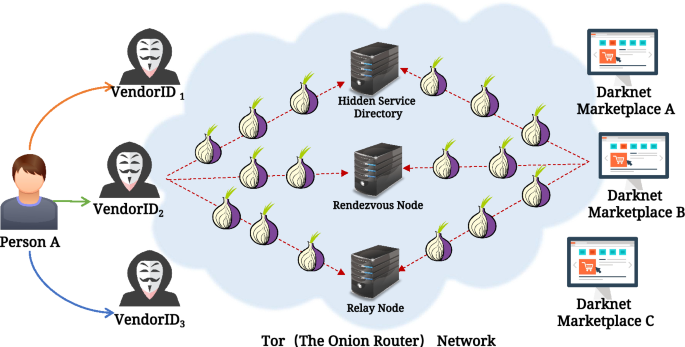
The internet contains a wide range of online communities and services, from legitimate e-commerce platforms to private networks and hidden services. Among the more controversial parts of the digital ecosystem are darknet marketplaces, which have been associated with various forms of illegal activity bclub, including the distribution of stolen information and other illicit goods.
The name bclub.tk has appeared in public discussions related to cybercrime and stolen payment information. Because information about underground services can be difficult to verify, however, it is important to distinguish documented cybersecurity findings from rumors, copied claims, or outdated information.
Rather than focusing on how to locate or interact with an illicit marketplace, this article examines the general characteristics of modern darknet marketplaces and explains why they matter from a cybersecurity perspective.
What Is a Darknet Marketplace?
A darknet marketplace is an online service operating within a network or environment designed to provide greater anonymity than conventional websites.
Darknet marketplaces have been used for both legal and illegal purposes, depending on the service and its users. Privacy technologies themselves are not inherently criminal. However, some hidden marketplaces have been associated with the sale or exchange of illegal goods, stolen data, compromised accounts, and cybercrime-related services.
The term “darknet” should therefore not be treated as synonymous with criminality. The technology and the activity taking place through it are separate concepts.
Bclub and the Underground Marketplace Discussion
Bclub has been mentioned in public online discussions concerning stolen payment information and cybercrime-related marketplaces.
However, specific information about an underground service may be difficult to independently confirm. Websites can disappear, change domains, use aliases, or be copied by unrelated operators. Some websites may also deliberately spread false information to attract visitors.
For these reasons, discussions about Bclub should be approached carefully.
The broader cybersecurity lesson is clearer: underground markets demonstrate how stolen information can become part of an economy where criminals attempt to monetize compromised data.
1. Anonymity and Privacy
One characteristic commonly associated with darknet marketplaces is an emphasis on anonymity.
Operators and participants may attempt to conceal their identities and locations. Privacy-focused technologies can make attribution more difficult than it is on ordinary websites.
However, anonymity is not absolute.
Law-enforcement agencies and cybersecurity investigators can use technical evidence, financial records, operational mistakes, and other investigative methods to identify participants.
This is one reason people should not assume that hidden online activity is automatically untraceable.
2. Cryptocurrency and Digital Payments
Some darknet marketplaces have historically relied on cryptocurrency or other digital payment methods.
Cryptocurrency can provide certain privacy and transaction characteristics, but it does not automatically make transactions anonymous or untraceable.
Blockchain transactions may leave permanent records, and investigators can sometimes analyze transaction patterns alongside other evidence.
The broader lesson is that digital payment technology can be used for legitimate purposes as well as criminal activity. The technology itself does not determine whether a transaction is legal.
3. Reputation Systems
Another characteristic sometimes found in underground marketplaces is the use of reputation mechanisms.
Participants may attempt to establish trust through ratings, reviews, feedback, or dispute processes. This resembles features found on legitimate e-commerce websites.
However, an apparent reputation system does not make a criminal marketplace legitimate or safe.
Fraud can occur within underground communities themselves. Participants may encounter fake listings, dishonest sellers, malicious files, or phishing attempts.
4. Escrow and Dispute Mechanisms
Some underground marketplaces have historically used systems intended to reduce disputes between participants.
In general terms, escrow mechanisms hold funds until certain conditions are met.
The concept itself is not illegal; legitimate marketplaces also use escrow services. What matters is the activity being facilitated.
When used in an illicit marketplace, such systems can make criminal transactions appear more organized. This is one reason modern cybercrime can sometimes resemble a conventional online business model.
5. Stolen Data as a Commodity
One of the most significant characteristics of cybercrime-related marketplaces is the treatment of information as a commodity.
Stolen payment information, account credentials, personal data, and other compromised information may have economic value to criminals.
The original theft can occur through phishing, malware, compromised accounts, or security breaches. The resulting information may then be distributed or misused.
This creates a chain:
Data Theft → Collection → Distribution → Fraud Attempt → Victim Impact
Understanding this chain helps security professionals determine where defensive measures can interrupt criminal activity.
6. Specialized Criminal Services
Modern cybercrime is increasingly specialized.
Instead of one person conducting every stage of an attack, different participants may focus on different tasks.
For example, one group might develop malicious software, another might target accounts, and another might attempt to monetize stolen information.
This specialization is sometimes described as cybercrime-as-a-service.
From a defensive perspective, specialization means that organizations must protect multiple layers of their infrastructure rather than focusing on a single threat.
7. Customer-Service-Like Features
Some underground marketplaces have attempted to imitate legitimate online businesses by providing support channels, dispute systems, vendor profiles, and other organizational features.
This demonstrates an important aspect of modern cybercrime: criminals can adopt familiar business concepts for illegal purposes.
The presence of a polished interface or professional-looking support system should therefore never be interpreted as evidence that a service is legitimate.
In fact, criminals may use professional presentation as part of their deception.
8. Frequent Changes and Instability
Darknet marketplaces are often unstable.
A service may disappear because of technical problems, internal disputes, scams, security incidents, or law-enforcement action. Another service may subsequently appear using a different identity.
This constant change makes reliable information difficult to maintain.
It also creates opportunities for impersonation. Someone may create a fake website using a familiar name and attempt to trick visitors into providing information.
9. Security Risks for Visitors
People sometimes assume that the main danger of an underground marketplace is simply the illegal nature of its contents. There are additional technical risks.
Suspicious websites can potentially expose visitors to:
- Phishing
- Credential theft
- Malicious software
- Financial scams
- Fake services
- Identity-related fraud
This means curiosity alone can create unnecessary cybersecurity risks.
People researching cybercrime should rely on reputable security research, academic material, and legitimate educational environments rather than interacting directly with suspicious services.
10. Law-Enforcement and Cybersecurity Monitoring
Modern darknet marketplaces are monitored by cybersecurity researchers, financial institutions, technology companies, and law-enforcement agencies.
Investigators may analyze publicly available information, technical infrastructure, transaction patterns, or other evidence to understand criminal networks.
When stolen information is identified, organizations may also use threat intelligence to determine whether their customers or systems could be affected.
This research can help defenders respond to emerging threats.
How Individuals Can Protect Themselves
The best way to reduce the impact of darknet-based financial crime is to prevent sensitive information from being stolen.
Use Strong, Unique Passwords
Avoid reusing passwords across different services. If one password becomes exposed, unique credentials can prevent the compromise from spreading to other accounts.
Enable Multi-Factor Authentication
MFA provides an additional layer of protection beyond a password. Enable it on important accounts whenever possible.
Watch Financial Accounts
Review transactions regularly and use legitimate transaction alerts when available.
Be Careful With Phishing Messages
Never assume an unexpected message is legitimate simply because it appears to come from a bank or familiar company.
Access important services through their official applications or websites rather than suspicious links.
Keep Software Updated
Regularly update operating systems, browsers, and applications to address known security weaknesses.
What Businesses Can Do
Organizations that handle payment or personal information have additional responsibilities.
They should use appropriate access controls, monitor unusual activity, protect databases, train employees about phishing, and maintain incident-response plans.
Data minimization is also important. Businesses should avoid retaining sensitive information unnecessarily.
Reducing the amount of valuable information stored can reduce the potential impact of a security breach.
Why Bclub Is Part of a Larger Story
Whether discussing Bclub or another cybercrime-related name, the underlying issue remains the same: modern criminal ecosystems can turn stolen information into an economic resource.
The technology, names, and websites may change, but the fundamental security problem persists.
Attackers seek valuable information, criminals attempt to monetize it, and defenders work to prevent theft and disrupt fraudulent activity.
Understanding these patterns can help organizations anticipate threats without requiring people to interact with criminal services.
Final Thoughts
Bclub has appeared in online discussions concerning stolen payment information and the broader darknet marketplace ecosystem. Specific claims about underground services should be treated cautiously because information can be incomplete, outdated, or deliberately misleading.
Modern darknet marketplaces can exhibit characteristics that resemble legitimate online platforms, including reputation systems, payment mechanisms, specialized services, and customer-support structures. These features do not make illegal activity legitimate or safe.
From a cybersecurity perspective, the most important lesson is how stolen data moves through criminal ecosystems.
Phishing, malware, data breaches, compromised accounts, and social engineering can expose sensitive information. Once stolen, that information may be distributed and potentially used for fraud.
Individuals can reduce their risk by using unique passwords, enabling multi-factor authentication, monitoring financial activity, keeping software updated, and treating unexpected messages with caution.
Businesses can strengthen defenses through secure systems, employee training, access controls, monitoring, and responsible data management.
Most importantly, people should avoid interacting with darknet marketplaces involving stolen information. Cybersecurity knowledge is most useful when it helps prevent crime, protect personal data, and create a safer digital environment.