
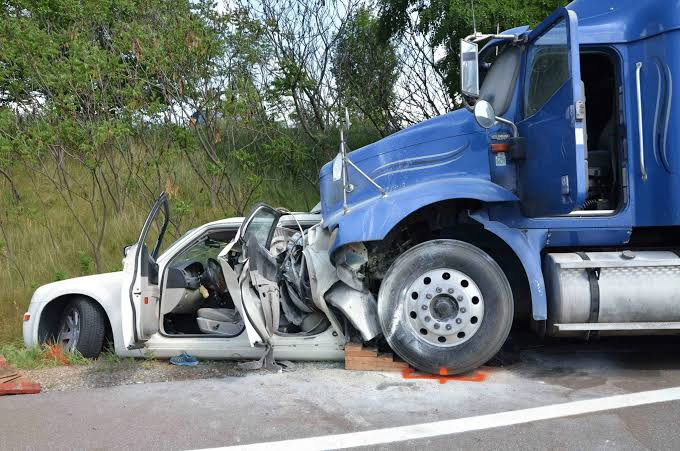
A commercial truck accident can change your life in seconds. Large trucks, including tractor-trailers, delivery trucks, tankers, and other commercial vehicles, are much heavier than passenger cars. When a crash happens, the results can include serious injuries, expensive medical treatment, lost wages, vehicle damage, and long-term emotional stress. Knowing what to do after the accident can help protect your health and your legal rights.
If you or someone you love has been injured in a truck crash, contacting a Lima Truck Accident Lawyer can be an important step. Truck accident cases can be more complicated than ordinary car accident claims because several people or companies may share responsibility. The truck driver, trucking company, vehicle owner, maintenance provider, cargo loader, or another party may have played a role in the collision.
The steps you take immediately after a commercial truck accident can also affect your potential injury claim. Getting medical care, reporting the crash, collecting evidence, communicating carefully with insurance companies, and understanding your legal options can all make a difference. This guide explains what to do after a truck accident in Lima, Ohio, and why experienced legal guidance can be valuable during the process.
What to Do Immediately After a Commercial Truck Accident
Your safety should always come first after a commercial truck crash. If you are physically able, move to a safe location away from traffic and the damaged vehicles. If anyone has serious injuries, call 911 and ask for emergency medical assistance. Even when an injury does not seem severe, getting checked by a medical professional is important because some truck accident injuries may not be obvious immediately.
A commercial truck collision can cause injuries such as broken bones, spinal injuries, traumatic brain injuries, internal injuries, burns, cuts, and soft-tissue damage. The force of a large truck can also cause serious damage even when the passenger vehicle does not appear badly damaged. Medical records can later help show what treatment you received and how the accident affected your health.
You should also report the accident to law enforcement. Police officers can investigate the crash, speak with witnesses, document the scene, and prepare an accident report. Give the responding officer accurate information about what happened, but avoid guessing about fault. Saying that you are sorry or accepting blame at the scene may later be used against you, even if you were simply trying to be polite.
If your condition allows, gather basic information from the other driver. This may include the driver’s name, contact information, driver’s license details, trucking company information, insurance information, and vehicle identification details. If the truck belongs to a company, record the company name shown on the truck or trailer. Commercial vehicles may also have identifying numbers that can help investigators determine which company operates the vehicle.
Photos and videos can be especially valuable. Take pictures of the vehicles, road conditions, traffic signs, visible injuries, skid marks, debris, cargo, weather conditions, and the surrounding area if it is safe to do so. Do not put yourself in danger to collect evidence. A photograph taken shortly after the crash may later help show how the collision occurred.
Witness information is also important. If people saw the crash, ask for their names and contact information. Independent witnesses may provide useful accounts of what they observed. Your own memory may change after a stressful event, so writing down what happened as soon as you reasonably can may help preserve important details.
You should avoid posting detailed information about the accident on social media. Insurance companies and defense attorneys may review public posts when investigating a claim. A photograph, comment, or statement taken out of context could create unnecessary problems.
Why Truck Accident Claims Can Be More Complicated
A truck accident is not always a simple case involving one driver and one insurance company. Commercial trucking often involves several businesses and individuals. The driver may work for a trucking company, while the truck itself may belong to another company. A separate maintenance company could service the vehicle, and another business may have loaded or secured the cargo.
This means determining liability can require a detailed investigation. A Lima Truck Accident Lawyer may examine driver conduct, company policies, vehicle maintenance, cargo loading, road conditions, and other factors. The goal is to understand what caused the crash and identify the parties that may legally be responsible.
Driver negligence is one possible cause. A truck driver may cause an accident through distracted driving, speeding, unsafe lane changes, following too closely, impaired driving, or failing to account for weather and traffic conditions. Fatigue can also be a major concern in commercial transportation. A driver who is tired may have slower reaction times and difficulty maintaining attention.
Trucking company negligence may also be involved. For example, a company may face questions about hiring, training, supervision, maintenance practices, or pressure placed on drivers to meet delivery schedules. The specific facts of the case determine whether the company can be held legally responsible.
Vehicle maintenance is another important issue. Commercial trucks contain many systems that must function properly, including brakes, tires, steering components, lights, and other safety equipment. A mechanical failure may contribute to a collision. Investigators may need to examine maintenance records and the condition of the truck after the crash.
Cargo can create additional risks. Commercial trucks frequently carry heavy or large loads that must be properly secured. If cargo shifts or falls from a truck, it can create a dangerous situation for nearby motorists. Improper loading may also affect the truck’s balance and handling.
Evidence from the truck can be extremely important. Depending on the vehicle and circumstances, investigators may examine electronic data, onboard systems, inspection records, maintenance documents, driver logs, dispatch records, photographs, surveillance footage, and other evidence. Preserving this information quickly can matter because some evidence may become difficult to obtain later.
For this reason, truck accident investigations often require more than simply looking at the police report. A complete review may be needed to understand the full chain of events that led to the collision.
How Insurance Companies May Handle Your Truck Accident Claim
After a commercial truck accident, you may hear from an insurance adjuster representing the truck driver, trucking company, or another potentially responsible party. The adjuster may ask questions about the accident, your injuries, your medical care, and the damage to your vehicle. It is important to remember that an insurance adjuster’s job is to protect the insurer’s financial interests.
You should provide truthful information, but you should also be careful about giving recorded statements or making broad comments about your injuries before understanding your claim. Injuries can develop over time, and your medical condition may be more serious than you first realized.
Insurance companies may also request access to medical records. Some records may be relevant to the accident, while others may contain unrelated private information. A Lima Truck Accident Lawyer can help you understand what information is appropriate to provide and how to respond to insurance requests.
Do not assume that the first settlement offer is the full value of your claim. An early offer may not account for future medical care, rehabilitation, lost earning ability, pain and suffering, or other losses. This is especially important when a truck accident causes a serious or permanent injury.
Your potential damages may include medical expenses, future medical treatment, lost income, reduced earning capacity, property damage, physical pain, emotional distress, and other losses depending on the circumstances. The value of a claim depends on the evidence and the specific harm suffered.
Documentation is essential. Keep medical bills, treatment records, prescription information, repair estimates, wage records, and other documents connected to the accident. If your injuries prevent you from working, records showing missed work and lost income may become important.
You should also follow your doctor’s treatment recommendations. Missing appointments or stopping treatment without medical guidance may make it harder to demonstrate the seriousness of your injuries. If treatment becomes difficult because of cost, transportation, or another problem, discuss the situation with your medical provider rather than simply abandoning care.
Another important issue is comparative fault. Ohio law can reduce a person’s recovery when that person is partly responsible for an injury, subject to the rules established by state law. Ohio’s statutory framework therefore makes the facts surrounding responsibility especially important in an injury claim. A lawyer can review the evidence and explain how comparative fault may affect your particular situation.
How a Lima Truck Accident Lawyer Can Help Investigate Your Case
After a serious commercial truck accident, legal representation can provide more than assistance with paperwork. A truck accident attorney can help investigate the collision, identify potentially responsible parties, communicate with insurers, organize evidence, and pursue compensation based on the facts of the case.
One of the first steps may be reviewing the accident report and available evidence. The attorney may compare statements from drivers and witnesses with photographs, vehicle damage, traffic conditions, medical records, and other information. If the evidence suggests that the trucking company or another party may be responsible, further investigation may be necessary.
Preserving evidence can be especially important in truck accident cases. Important records may include maintenance histories, inspection documents, driver qualification information, employment records, electronic vehicle data, dispatch information, cargo documentation, and other materials. Some evidence may be held by companies involved in the transportation process.
An attorney may also investigate whether trucking regulations or safety practices are relevant to the collision. Federal and state rules can affect commercial drivers and trucking companies, but the exact rules that apply depend on the type of vehicle, the nature of the transportation, the route, and other circumstances. Understanding these requirements can help determine whether a safety violation contributed to the accident.
Expert assistance may also be useful in complicated cases. Accident reconstruction professionals can analyze vehicle damage, road evidence, measurements, photographs, and other information to explain how a collision occurred. Medical experts may help explain the seriousness and expected future impact of an injury. Economic professionals may assist in evaluating long-term income losses in appropriate cases.
A truck accident lawyer can also handle negotiations with insurance companies. Instead of attempting to manage every communication while recovering from an injury, you may have legal counsel communicate on your behalf. If negotiations do not produce a fair resolution, an attorney can explain whether filing a lawsuit is appropriate.
It is important to understand that hiring a lawyer does not guarantee a specific settlement or court result. Every accident has different facts, and the outcome depends on the available evidence, applicable law, the extent of injuries, insurance coverage, and other factors. A qualified attorney should evaluate your individual circumstances before making conclusions about your claim.
Choosing an attorney with experience handling truck accident cases can be helpful because commercial vehicle claims may involve different issues than ordinary passenger-car collisions. During an initial consultation, you can ask about the attorney’s experience, approach to investigations, communication process, and how fees and case expenses are handled.
Ohio Deadlines and Important Legal Considerations After a Truck Crash
Time can matter after a truck accident. Ohio generally requires an action based on bodily injury or injury to personal property to be filed within two years after the cause of action accrues, subject to statutory exceptions. Ohio Revised Code Section 2305.10 establishes this general two-year period for bodily injury and personal property injury claims.
This deadline does not mean you should wait two years before speaking with a Lima Truck Accident Lawyer. Waiting can make an investigation more difficult. Witnesses may become harder to locate, surveillance footage may no longer be available, vehicles may be repaired or sold, and important business records may become more difficult to obtain.
The deadline can also vary depending on the nature of the claim and the parties involved. Claims involving a government entity, wrongful death, workers’ compensation, or other special circumstances may have different requirements or deadlines. Ohio law contains several different statutes governing civil claims, so the applicable deadline should be determined based on the specific facts of the case.
If you were working when the truck accident occurred, there may also be workers’ compensation issues in addition to a potential claim against a third party. Ohio law has specific requirements concerning workers’ compensation claims and reporting. For example, Ohio Revised Code Section 4123.84 addresses time limits for certain workers’ compensation claims.
Another important consideration is wrongful death. If a truck accident results in the death of a family member, the legal process may involve different claims and procedures than a personal injury case. Families should seek legal advice promptly because deadlines and available damages can depend on the circumstances.
You should also be careful when signing documents provided by an insurer. A settlement agreement may release claims connected to the accident. Once a release is signed and a settlement is accepted, it may be difficult or impossible to seek additional compensation later. Understanding what you are signing before accepting a settlement can protect your interests.
The same principle applies to statements about fault. You should be honest when discussing the accident, but avoid making assumptions about what caused the collision. A truck accident can involve many contributing factors, and a complete investigation may reveal information that was not obvious at the scene.
Most importantly, focus on your recovery while preserving important information. Follow medical advice, attend necessary appointments, keep records, and communicate with an experienced legal professional if you believe another party may be responsible for your injuries.
Conclusion
A commercial truck accident can create serious physical, financial, and emotional challenges. Taking the right steps after the crash can help protect your health and preserve evidence for a potential claim. Seek medical attention, report the collision, collect information when it is safe, document your injuries and losses, and be cautious when communicating with insurance companies.
Because commercial truck cases can involve drivers, trucking companies, vehicle owners, maintenance providers, cargo handlers, and multiple insurance policies, determining responsibility may require a detailed investigation. A Lima Truck Accident Lawyer can help examine the evidence, identify potential sources of liability, handle insurance negotiations, and explain your legal options.
Ohio also has important filing deadlines, including a general two-year period for many bodily injury claims under Ohio Revised Code Section 2305.10, although exceptions and different rules may apply. For that reason, it is wise to seek legal guidance as soon as reasonably possible after a serious truck accident. Prompt action can give you and your attorney a better opportunity to preserve evidence and build a strong case based on the facts.