
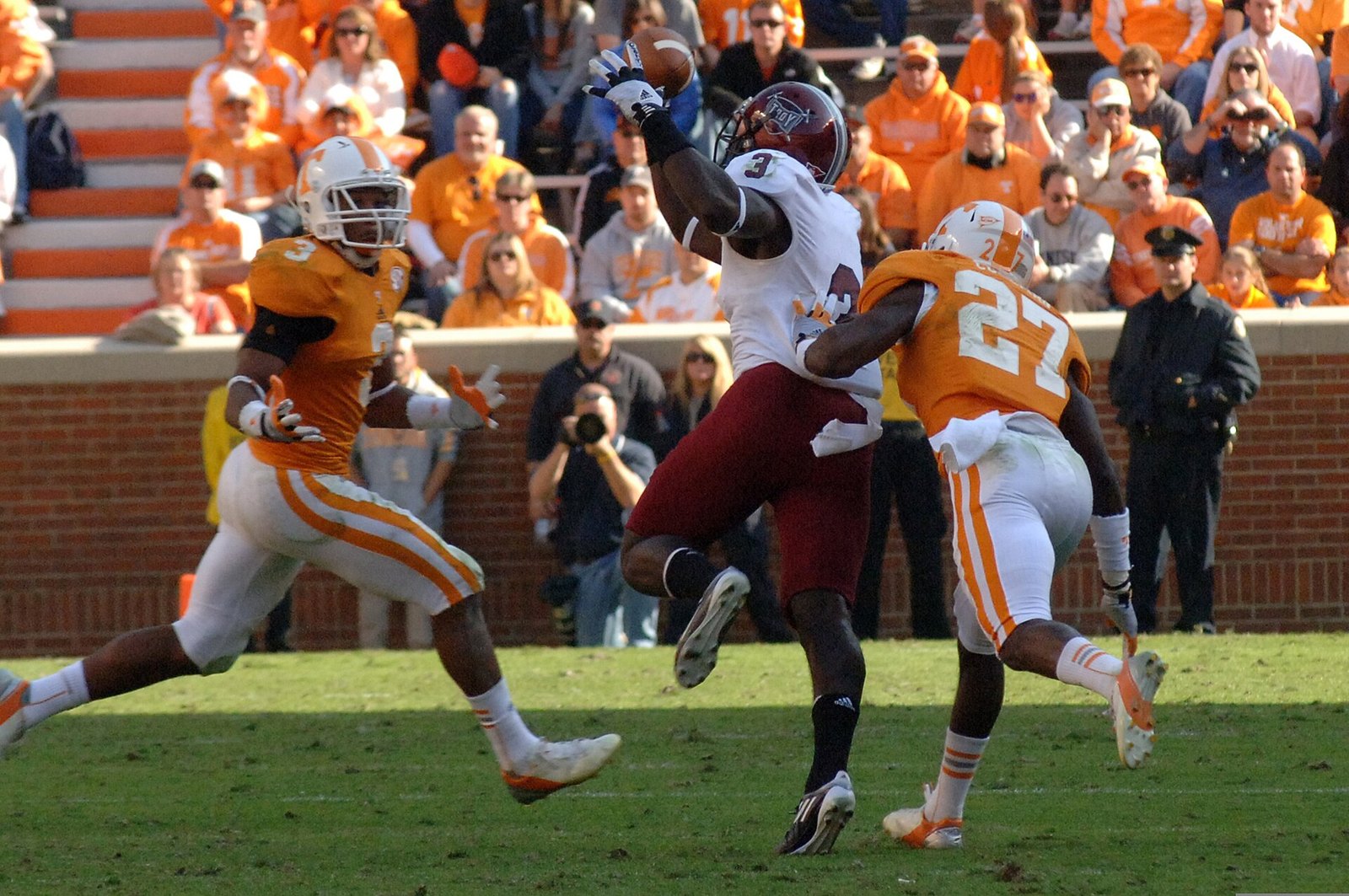
By the time Monday night arrives, the week’s football has already said most of what it has to say — and then the lights come up on the one game everyone is still talking about. This week’s Monday Night Football matchup carries the particular weight the fixture always amplifies: playoff positioning, divisional pride and a national audience watching a single stage. For the teams involved, it is the last word of the week and, increasingly, a result that echoes into January.
The primetime slot changes the preparation as much as the atmosphere. An extra day of recovery, an extra day of scrutiny, and a kickoff time that turns a regular-season game into an event. The full fixture picture is set out on the official NFL schedule page, and this week’s closing matchup stands out on it for one simple reason: both teams need it, for slightly different versions of the same January ambition.
What Is at Stake
For one side, this is about position. A win strengthens a grip on a playoff seed and, just as importantly, on the tiebreakers that decide seeding when records converge in December. Conference record — the tiebreaker that lurks beneath the divisional ones — is built in games exactly like this. For the other side, the stakes are more urgent: the difference between staying in the wild-card pack and spending the rest of the season needing help from other teams’ results. Monday night losers do not just lose a game; they lose a week of control over their own season.
There is also the matter of statement. Primetime performances follow players and coaches around. A quarterback who delivers under these lights shifts his national reputation in a way no Sunday afternoon win quite manages, and a defence exposed on this stage spends the week answering for it. Our football coverage has tracked how often these Monday results become the reference point for how a team is judged for the rest of the month.
The Matchups That Will Decide It
Strip away the occasion and the game reduces to a handful of contests. Can the pass rush reach the quarterback before the deep routes develop? Which offence wins on third down, where Monday games so often turn? And which special-teams unit steals the hidden yardage — the punt coverage, the return game, the field position that decides whether drives start at the 25 or the 40?
Analysts previewing the game for ESPN’s schedule and analysis coverage have circled the turnover battle as the likeliest hinge: in primetime games this season, the team winning the turnover margin has overwhelmingly won the game, a pattern that reflects how conservatively trailing teams are forced to play once the lights and the clock combine against them. Expect both coaching staffs to script aggressive early drives, hunting the lead that lets their defence hunt in turn.
Why Monday Still Matters
In a league that now spreads its product across Thursdays, Sundays, international mornings and streaming exclusives, Monday Night Football remains the fixture with a mythology. Generations of fans organise the start of their week around it, and players still describe being selected for it as a form of recognition. That mythology has practical force: the league schedules its most marketable matchups here, which is why this week’s game features two teams with January in their plans rather than their past.
So the preview writes itself into a simple question. When the week’s other results are already in the books and the whole sport is watching one field, who takes the last word? The answer will shape the standings, the tiebreakers and the conversation until Thursday night starts the cycle again. However it lands, Monday will do what Monday does: turn one game into the week’s verdict. Follow the fallout on our homepage.