
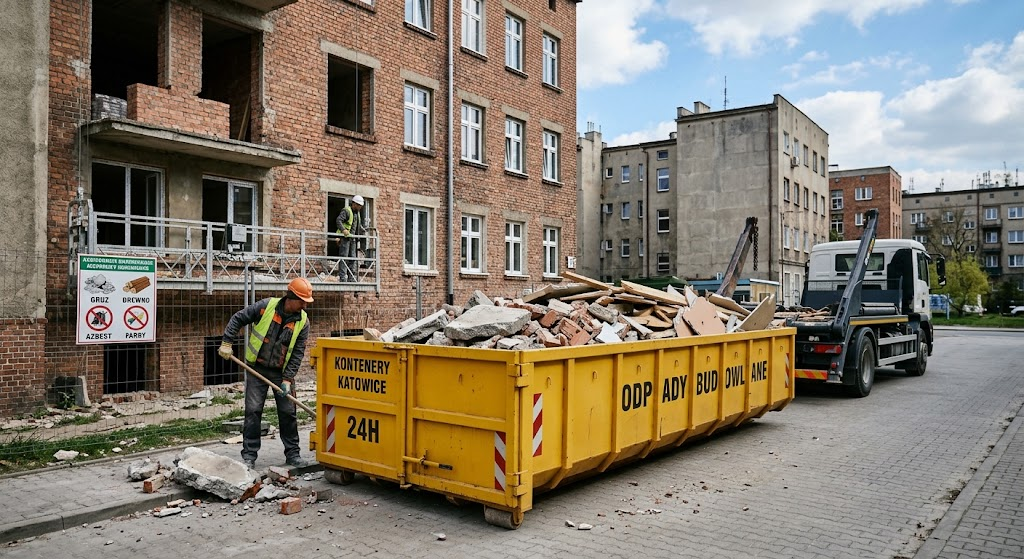
Construction and renovation projects often generate more waste than property owners initially expect. From broken bricks and concrete to plasterboard, old flooring, timber, and packaging, unwanted materials can quickly fill a worksite. Without an effective waste management plan, construction debris can obstruct access, create safety hazards, and delay important stages of a project.
Choosing the right container is one of the easiest ways to organize construction waste collection. Whether you are renovating an apartment, modernizing a commercial property, or managing a larger building project, a suitable container can help keep the site clean and make waste removal more convenient.
For homeowners, contractors, and business owners, kontenery na odpady budowlane Katowice offer a practical option to consider when planning construction cleanup. Understanding container sizes, accepted materials, rental costs, and collection arrangements can help you make an informed decision and avoid unnecessary complications.
Why Construction Waste Containers Are Important
Construction waste differs from ordinary household rubbish because it can be heavy, bulky, and difficult to transport. Materials such as concrete, bricks, ceramic tiles, and mortar require appropriate handling, while mixed renovation waste may contain several materials that need separate treatment.
Leaving debris scattered around a property can make it difficult for workers to move safely and access tools or equipment. In residential buildings, poorly managed waste may also inconvenience neighbours and obstruct shared areas.
A dedicated container provides a central location for collecting suitable waste throughout the project. Instead of allowing debris to accumulate in different rooms or outdoor spaces, workers can place approved materials in one designated area.
This approach can improve organization, simplify cleanup, and make it easier to coordinate collection with the renovation schedule. It also helps customers identify the amount of waste generated and plan additional collections when necessary.
Assess Your Construction Waste Before Renting a Container
The first step in selecting a container is understanding what your project will produce. A small bathroom renovation may generate broken tiles, ceramics, and plaster, while a full property refurbishment could produce timber, metal, insulation, packaging, and other building materials.
Start by preparing a list of the expected waste categories. Consider whether the project involves removing walls, replacing flooring, dismantling furniture, renovating a roof, or demolishing existing structures.
The type of material matters just as much as its quantity. Clean mineral rubble may be accepted under different conditions from mixed construction waste containing wood, plastic, or plasterboard.
You should also consider the weight of the materials. Concrete and bricks are particularly dense, so a container that appears to have enough physical space may reach its permitted weight limit before it is full.
If you are uncertain about the expected quantity, describe the project to the container provider. An experienced company may be able to recommend an appropriate capacity based on the work involved.
How to Choose the Right Container Size
Container capacity should match the amount of waste your project is likely to generate. Selecting the correct size helps reduce unnecessary costs and prevents the container from becoming full before the work is completed.
For smaller renovation projects, such as replacing bathroom tiles or updating a compact kitchen, a smaller container may be sufficient. Larger apartment renovations and extensive property improvements may require greater capacity.
Commercial refurbishment and demolition projects can generate substantial amounts of waste, making it important to discuss container dimensions and loading restrictions before booking.
When choosing a size, consider the following factors:
Project scope: Determine how much demolition, dismantling, or renovation work is planned.
Material density: Remember that heavy rubble can reach weight limits quickly.
Available space: Check whether the container will fit safely within your property.
Collection frequency: Decide whether one container will be sufficient or whether several collections may be needed.
Project duration: Estimate how long the container will be required on-site.
A larger container is not always the best option. The right choice depends on the actual waste volume, material type, loading restrictions, and service conditions.
Understand Which Materials Can Be Placed Inside
Before loading a container, confirm exactly which materials the provider accepts. This is particularly important when your renovation involves several different waste categories.
Depending on the service agreement, construction containers may accept materials such as broken bricks, concrete fragments, ceramic tiles, masonry, and certain other building materials.
Mixed construction waste may require a separate container or a different collection arrangement. Wood, metal, insulation, glass, plasterboard, and packaging should not automatically be treated as acceptable rubble.
Hazardous materials require special attention. Paints, solvents, chemicals, asbestos-containing materials, and other regulated waste must not be placed in an ordinary construction container unless the provider is specifically authorized and the service explicitly permits them.
Ask for a clear list of accepted and prohibited materials before booking. Following these instructions helps prevent rejected collections, unexpected fees, and problems during waste processing.
Compare Rental Prices and Service Conditions
Cost is an important consideration for every construction project. However, the cheapest advertised price does not necessarily represent the best overall value.
When researching kontenery na odpady budowlane Katowice, compare the complete service rather than focusing only on the initial quotation.
The total cost may depend on several factors, including:
Container capacity and type.
The category and weight of waste.
Delivery and collection arrangements.
The permitted rental period.
Transport requirements and site accessibility.
Additional collections or container exchanges.
Charges for exceeding weight limits or placing prohibited materials inside.
Ask the provider whether the quoted price includes delivery, collection, and waste handling. Confirm how long the container can remain on the property and whether additional rental days incur extra charges.
Requesting a detailed quotation makes it easier to compare different providers fairly. It also helps you estimate the waste removal budget before construction work begins.
Plan Delivery and Collection in Advance
A container is most useful when its delivery and collection fit the project schedule. If it arrives too early, it may occupy valuable space before demolition starts. If it arrives too late, workers may have nowhere suitable to place the accumulated waste.
Before arranging delivery, identify a suitable location with enough room for the container and the collection vehicle. Check entrances, driveways, gates, overhead obstacles, and nearby parked vehicles.
If the container needs to be placed on a public road, pavement, or another public area, check whether authorization is required. Do not assume that permission is unnecessary simply because the container will remain there for a short period.
It is also important to keep the access area clear on collection day. Containers should not be overloaded or filled above the permitted level, as this can create transport safety problems.
For larger projects, consider arranging collection before the container reaches capacity. This can help prevent unnecessary interruptions to construction work.
Improve Waste Separation and Recycling
Responsible waste management begins with proper separation. Whenever practical, keep different waste categories separate so that suitable materials can be recovered or recycled.
Clean concrete and brick waste may be suitable for processing into secondary construction materials, depending on local facilities and contamination levels. Metals, cardboard, and certain other materials may also have separate recycling routes.
Avoid mixing recyclable materials with unsuitable waste when separate collection is available. Before starting the project, ask the provider whether separate containers or alternative collection methods are recommended.
Do not dispose of construction debris in forests, empty plots, roadside areas, or unauthorized locations. Improper disposal can harm the environment and may result in legal consequences.
For contractors and businesses, maintaining appropriate waste documentation may also be necessary depending on the type of waste and applicable legal obligations.
Common Mistakes to Avoid When Renting a Container
Several avoidable mistakes can make construction waste removal more complicated.
One common problem is underestimating the amount of waste. If the container fills too quickly, you may need an additional collection or replacement, potentially increasing the project cost.
Another mistake is mixing incompatible waste categories. Materials that require different handling should be separated according to the provider's instructions.
Customers sometimes forget to check weight restrictions or assume that every material can be placed in the same container. Others fail to confirm placement requirements, leading to access problems on delivery day.
To avoid these issues, estimate your waste carefully, confirm accepted materials, review the complete quotation, and book the container before the cleanup becomes urgent.
Conclusion
Choosing the right construction waste container is an important part of planning an organized renovation or building project. By understanding your waste categories, estimating the required capacity, comparing service conditions, and arranging collection in advance, you can make waste removal more manageable.
A suitable container helps keep the worksite organized, supports safer working conditions, and provides a convenient way to collect approved construction debris. Responsible separation can also make recycling and proper waste treatment easier.
Whether you are renovating a small apartment or coordinating a larger commercial project, take time to assess your requirements before making a booking. With careful planning and a suitable collection service, construction waste management can become a straightforward part of completing your project efficiently.