
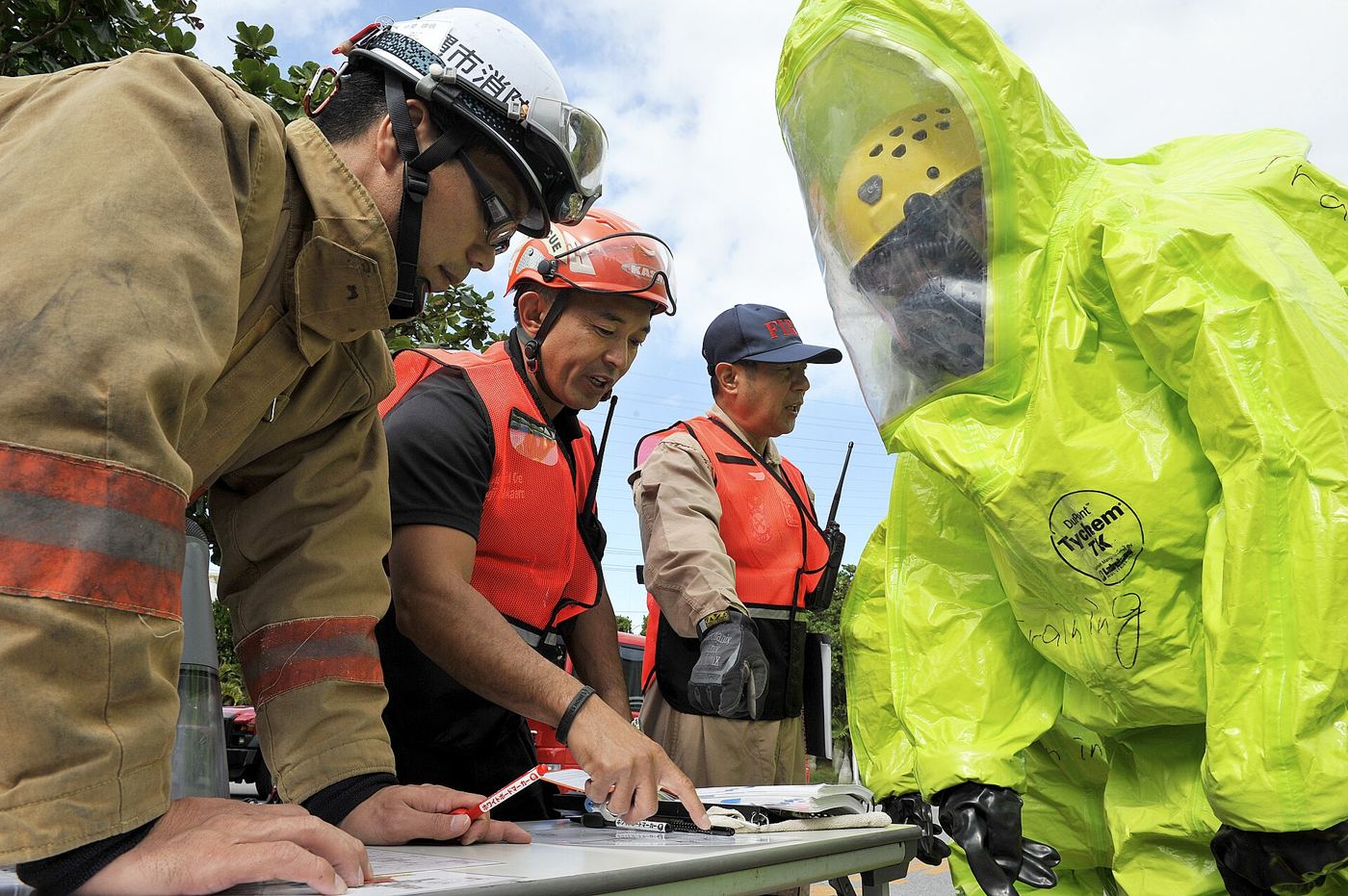
Fire crews have been practising river rescue techniques at training sites along the water as winter levels begin to rise. The exercises cover throwing lines accurately from the bank, using inflatable walkways to reach people in the water and coordinating with paramedics once a casualty is brought ashore. Instructors build each scenario around realistic complications, such as fast currents, steep muddy banks and bystanders offering well-meant but confusing information. Officers say most real callouts happen in darkness or poor weather, so later sessions will run at dusk with limited lighting to test communication. The training also refreshes crews on the location of rescue equipment cabinets along popular riverside paths, which members of the public can use in an emergency. Station managers stress that the safest rescue is often from the bank, and they urge anyone who sees someone in trouble to call for help rather than entering the water themselves.
What the Evidence Shows
Boat crews and drone operators join the later stages, practising how aerial pictures can guide teams to the safest entry point. Specialists following river rescue training exercise say joint sessions with ambulance and police colleagues prevent confusion when several services arrive together. Trainers record each drill and review timings honestly, looking for small delays in throwing lines or fitting lifejackets. Fire services also use the week to remind residents about flooded footpaths, where hidden edges and fast water make a familiar walk dangerous. The programme continues at other stations through the winter. New recruits train alongside experienced firefighters during the sessions, learning how much judgement matters when cold water quickly saps a casualty’s strength. Instructors also rehearse what happens when equipment fails, forcing teams to improvise safely with what is already at the scene. The service says these quiet rehearsals are what make a fast, calm response possible months later. Reporting and analysis from sources such as Reuters track the same developments, and specialists following river rescue training exercise say the direction is now consistent across independent lines of evidence.
The Wider Context
The wider context is a public conversation conducted at a speed institutions were not built for. Developments around river rescue training exercise are announced, contested and revised within a single news cycle, and the officials involved have learned to publish evidence alongside claims so that scrutiny can actually occur. Trust, the polling suggests, follows that transparency more than it follows confidence.
What Happens Next
What happens next in the story of river rescue training exercise will be decided in the places where it is being implemented, measured and argued about in public. The officials and organisations involved have committed to publishing progress data, and that commitment gives residents, businesses and journalists something firmer than promises to judge. The next milestones are dated, which means they can be checked. You can follow related developments in our coverage of news.
There is a practical lesson in all of this for readers deciding what to do today. Start with the verified facts, be wary of anyone promising certainty, and prefer reversible steps while the evidence is still developing. Circumstances differ by country, income and personal situation, so general guidance should always be weighed against your own context before you act on it in any significant or lasting way.