
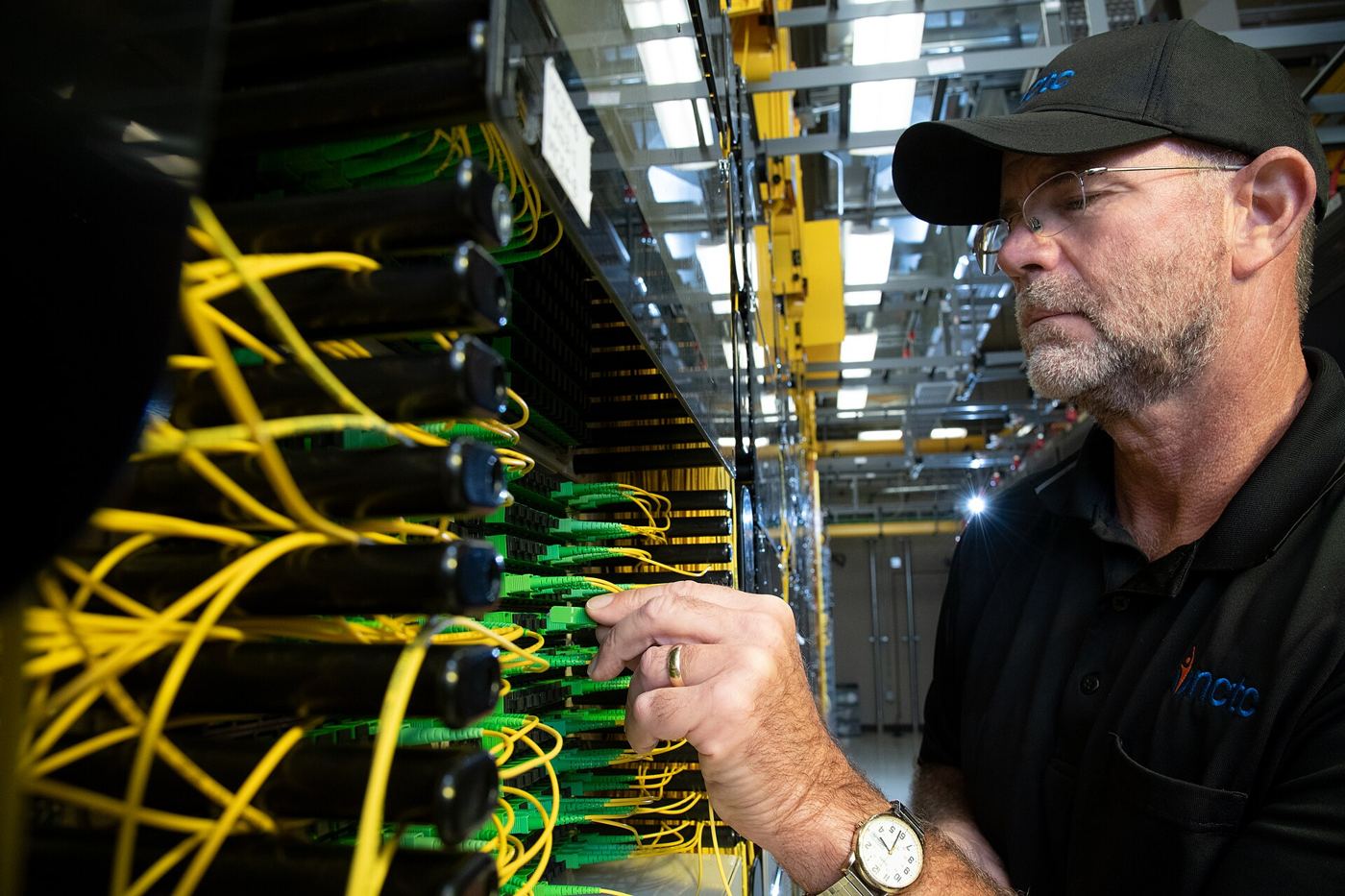
Construction crews are extending fibre optic networks into remote towns and farming districts where broadband speeds have lagged behind cities for years. The rollout uses a mix of underground ducts, existing poles and small local cabinets to connect homes, schools and clinics. For many residents, the upgrade will be their first access to reliable video calls, remote learning and cloud based work tools. Local businesses say faster connections could help them sell online and manage bookings without travelling to larger centres. Specialists following rural fibre broadband rollout say the final stretch to each property is often the most expensive part of the project. Long driveways, rivers and protected landscapes all add complexity for installation teams. Providers are scheduling work village by village and offering community sessions to explain connection dates and pricing. Public funding covers part of the cost in areas where commercial returns are low. Engineers expect the first households in the new zones to be connected within months, with speeds far above ageing copper lines.
What the Evidence Shows
The benefits extend beyond entertainment streaming. Remote health appointments, farm monitoring systems and digital banking all depend on stable connections that older networks struggle to provide. Schools in the rollout area plan to expand homework platforms and virtual lessons once coverage improves. However, campaigners stress that affordability matters as much as availability. Discounted social tariffs and clear contracts will decide whether low income households actually sign up. Installation quality is another concern, since poorly buried cables can be damaged by weather or farm machinery. Providers say independent inspections will check completed sections before payments are released. Digital skills support is being offered alongside the physical build, helping first time users set up routers, passwords and parental controls. If the programme stays on schedule, regional officials believe rural coverage gaps will narrow substantially. The longer test will be maintaining service quality as more households join the network. Reporting and analysis from sources such as IEEE Spectrum track the same developments, and specialists following rural fibre broadband rollout say the direction is now consistent across independent lines of evidence.
The Wider Context
Adoption of rural fibre broadband rollout follows a familiar pattern with an unfamiliar speed. Early users tolerate rough edges in exchange for advantage, mainstream users arrive when the tool disappears into existing workflows, and the market consolidates around whoever made that transition feel effortless. Vendors are racing less on raw performance now than on integration, support and trust.
What Happens Next
The realistic forecast for rural fibre broadband rollout is steady integration rather than sudden replacement: embedded in products people already use, improving in increments, and regulated in proportion to its reach. The companies and institutions that plan on that basis, training staff and redesigning processes instead of chasing launches, are the ones the adoption data tends to vindicate. You can follow related developments in our coverage of technology.
It is also worth remembering how quickly the picture in this area has changed before. Positions that looked settled a few years ago have been revised as new data arrived, and the same humility is appropriate now. The strongest coverage of this subject, and the most useful advice, tends to come from sources that update their views openly when the facts move, rather than defending an earlier position long after it has stopped fitting the evidence available.