
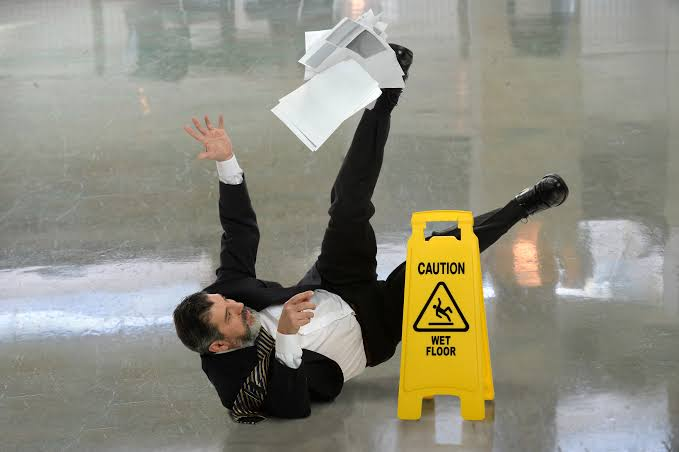
A slip and fall accident can happen in seconds, but the injuries and financial stress that follow can last for months or even years. In New York City, crowded sidewalks, wet floors, poorly maintained buildings, broken stairs, icy walkways, and other dangerous conditions can create serious risks for pedestrians, shoppers, tenants, employees, and visitors. When another party’s negligence causes an accident, an injured person may have the right to seek compensation.
Working with a New York City slip & fall lawyer can help you understand your legal options and determine whether someone else may be responsible for your injuries. New York premises liability law can be complex, especially when questions arise about who controlled the property, whether they knew about the dangerous condition, and whether they had enough time to fix it.
If you have been injured in a slip and fall, knowing what to do next is important. Medical care, evidence, accident reports, photographs, witness information, and timely legal advice can all affect your claim. This guide explains the basics of slip and fall cases in New York City and what an injured person should know after an accident.
What Is a Slip and Fall Accident in New York City?
A slip and fall accident is a type of premises liability incident that occurs when a person falls because of a dangerous or unsafe condition on someone else’s property. These accidents may occur in apartment buildings, grocery stores, restaurants, offices, hotels, shopping centers, sidewalks, parking areas, public spaces, and other locations. The cause may be something as simple as spilled liquid or as serious as a broken staircase.
Common hazards include wet or slippery floors, uneven sidewalks, cracked pavement, potholes, loose carpeting, poor lighting, broken handrails, defective stairs, ice, snow, debris, leaking ceilings, and poorly maintained walkways. In some situations, a property owner or manager may be responsible for failing to discover and correct a dangerous condition.
However, simply being injured on someone else’s property does not automatically mean the property owner is legally liable. A slip and fall claim generally requires evidence showing that a dangerous condition existed and that the responsible party failed to take reasonable steps to address it. The specific facts of the accident matter.
A New York City slip & fall lawyer can review the circumstances surrounding the fall and identify the parties who may have legal responsibility. Depending on the location, this could include a property owner, landlord, tenant, business operator, property management company, maintenance contractor, or another responsible entity.
One important issue is whether the property owner or another responsible party knew about the hazardous condition. Actual notice may exist when the owner or employee knew about the problem. Constructive notice may become an issue when the dangerous condition existed for enough time that a reasonable property owner should have discovered and corrected it.
For example, imagine a grocery store employee notices a large spill but leaves it unattended for an extended period. A customer later slips on the liquid and suffers an injury. Evidence showing that employees knew about the spill could be important to the customer’s claim. In another situation, a dangerous sidewalk defect may have existed long enough that the responsible party should reasonably have discovered it.
What Should You Do Immediately After a Slip and Fall?
Your health should be your first concern after a fall. Even if an injury seems minor, seeking medical attention can be important because some conditions, such as head injuries, back injuries, ligament damage, and certain fractures, may not be immediately obvious. Medical records can also document the nature and timing of your injuries.
If you are physically able to do so, report the accident to the property owner, manager, store employee, building representative, or another responsible person. Ask whether an incident report will be prepared and try to obtain information about how the accident was documented. Avoid making statements that minimize your injuries or suggest that the accident was entirely your fault.
Photographs can also be valuable. Take pictures of the exact area where you fell, including the hazardous condition that caused the accident. Photograph the surrounding area, lighting, stairs, sidewalk, floor surface, warning signs, and anything else that may help explain what happened. If the dangerous condition disappears later, these photographs may become especially important.
Witness information can also help. If someone saw you fall or observed the hazardous condition before or after the accident, obtain their name and contact information if possible. A witness may later be able to confirm what the property looked like or how long a dangerous condition existed.
Keep records related to the accident and your injuries. Medical bills, treatment records, prescription expenses, transportation costs, lost wage information, and communications with insurance companies may all become relevant. Do not throw away damaged clothing or footwear if those items may help establish how the accident occurred.
You should also be cautious when speaking with insurance companies. An insurance adjuster may ask questions about the accident, your medical history, or your injuries. You should provide truthful information, but you do not have to guess about facts you do not know. Before giving a recorded statement or signing a settlement agreement, consider discussing the matter with a New York City slip & fall lawyer.
How Is Negligence Proven in a New York Slip and Fall Case?
Negligence is often a central issue in premises liability claims. Generally, an injured person must establish that the responsible party owed a duty of care, failed to act reasonably, and that this failure contributed to the accident and resulting injuries. The exact legal requirements can vary based on the facts and circumstances.
Property owners and occupiers are generally expected to maintain their premises in a reasonably safe condition. This does not mean they must prevent every possible accident. Instead, the law focuses on whether the responsible party acted reasonably under the circumstances.
Evidence is often critical. A lawyer may examine photographs, surveillance video, maintenance records, inspection reports, cleaning schedules, incident reports, building records, witness statements, and other documents. In some cases, evidence about prior complaints or similar hazards may also become relevant.
Surveillance footage can be particularly important in a New York City slip and fall case. Many businesses use security cameras, but recordings may not be kept indefinitely. Acting promptly after an accident can therefore help preserve potentially useful evidence.
The question of notice can also be important. If a property owner created the dangerous condition, responsibility may be easier to establish than when the condition was created by an unknown person. When the owner did not create the hazard, the injured person may need evidence showing that the owner knew or should reasonably have known about it.
For instance, a wet floor in a busy store could have appeared only moments before a customer fell. If there was no reasonable opportunity to discover and correct the spill, liability may be more difficult to establish. On the other hand, if the spill remained for a substantial period and employees ignored it, the evidence may support a stronger negligence argument.
A New York City slip & fall lawyer can investigate these issues and determine what evidence may support your claim. This investigation can be especially important when the property owner disputes responsibility.
Comparative fault may also affect a case. New York follows a comparative negligence system, which generally means an injured person’s own negligence can affect the amount of compensation recovered. If a defendant argues that the injured person failed to act reasonably, the evidence and circumstances surrounding the accident become important.
What Compensation Can You Seek After a Slip and Fall?
A successful slip and fall claim may allow an injured person to seek compensation for different types of losses. The available damages depend on the severity of the injuries, the circumstances of the accident, and other case-specific factors.
Medical expenses are a common part of a personal injury claim. These may include emergency treatment, hospital care, diagnostic testing, medication, physical therapy, rehabilitation, surgery, and other necessary medical services. Future medical expenses may also be relevant when an injury requires ongoing treatment.
Lost income can be another important form of compensation. A serious injury may prevent someone from working for days, weeks, months, or longer. If the injury affects the person’s ability to earn income in the future, future earning losses may also become part of the claim, depending on the circumstances.
Pain and suffering may also be considered. A fall can cause physical pain, emotional distress, reduced mobility, sleep problems, and limitations on everyday activities. The impact of an injury on a person’s normal life can be significant, particularly when recovery takes a long time.
The value of a slip and fall claim cannot be determined by using a simple formula. Two people can experience falls in similar locations but have very different injuries and financial losses. A minor injury may require limited treatment, while another accident may lead to surgery, long-term rehabilitation, or permanent limitations.
Insurance coverage can also affect how a claim proceeds. Depending on the accident location, there may be commercial general liability insurance, homeowners insurance, property insurance, or other applicable coverage. Identifying the correct insurance company and understanding the policy can be an important part of the process.
A New York City slip & fall lawyer can assess the available evidence and help calculate damages based on documented losses and the long-term effects of the injury. The goal is not simply to seek the largest possible number but to build a claim supported by evidence.
It is also important to avoid accepting a settlement too quickly. An early settlement offer may not fully account for future medical treatment, lost income, or the lasting effects of an injury. Once a settlement is accepted and released, it may be difficult or impossible to seek additional compensation for the same accident.
Why Legal Help Can Matter After a New York City Slip and Fall
Slip and fall cases can look straightforward from the outside, but proving liability may require careful investigation. The property owner may deny that a dangerous condition existed. They may claim they did not know about it. They may argue that the condition appeared only moments before the accident or that the injured person was responsible for the fall.
A New York City slip & fall lawyer can help address these arguments by gathering evidence and examining the facts. Legal counsel may communicate with insurance companies, investigate the accident scene, review records, identify responsible parties, and negotiate for appropriate compensation.
Timing is another major reason to take legal advice seriously. Personal injury claims are subject to statutes of limitations and other deadlines. Claims involving municipal property or government entities can involve additional notice requirements and shorter deadlines. Because the applicable deadline depends on the circumstances, an injured person should not assume that they have unlimited time to act.
A lawyer can also help protect your legal rights during settlement negotiations. Insurance companies are businesses, and their adjusters are trained to evaluate claims. An injured person may benefit from having someone who understands personal injury law review settlement offers and negotiate on their behalf.
If a fair settlement cannot be reached, litigation may become necessary. Filing a lawsuit does not guarantee compensation, but it can provide a formal process for presenting evidence and pursuing a claim in court. A qualified attorney can explain the potential benefits and risks before moving forward.
Choosing legal representation is also about finding someone who understands New York premises liability law and the practical challenges of cases in New York City. The attorney should be willing to listen to your account, explain the legal process in clear language, and discuss the strengths and weaknesses of your case.
Ultimately, every slip and fall claim is different. The location of the accident, cause of the fall, severity of the injuries, available evidence, insurance coverage, and conduct of the property owner can all influence the outcome. Getting informed legal guidance can help you make decisions based on the actual facts of your situation.
Conclusion
A slip and fall accident in New York City can lead to painful injuries, medical expenses, lost income, and significant disruption to everyday life. When a dangerous property condition contributes to an accident, understanding your rights can be an important first step toward protecting your interests.
If you were injured because of a wet floor, broken sidewalk, unsafe stairs, ice, poor maintenance, or another hazardous condition, document what happened, seek appropriate medical care, preserve evidence, and be careful when communicating with insurance companies. A New York City slip & fall lawyer can investigate the circumstances, explain potential legal options, and help determine whether you may have a valid premises liability claim.
The most important point is not to assume that an accident is simply bad luck. If another party failed to take reasonable steps to maintain a safe environment, the law may provide a path to compensation. Prompt action can help preserve important evidence and ensure that applicable legal deadlines are not overlooked. By understanding your rights and obtaining qualified legal guidance, you can take informed steps toward protecting your future after a serious slip and fall accident.