
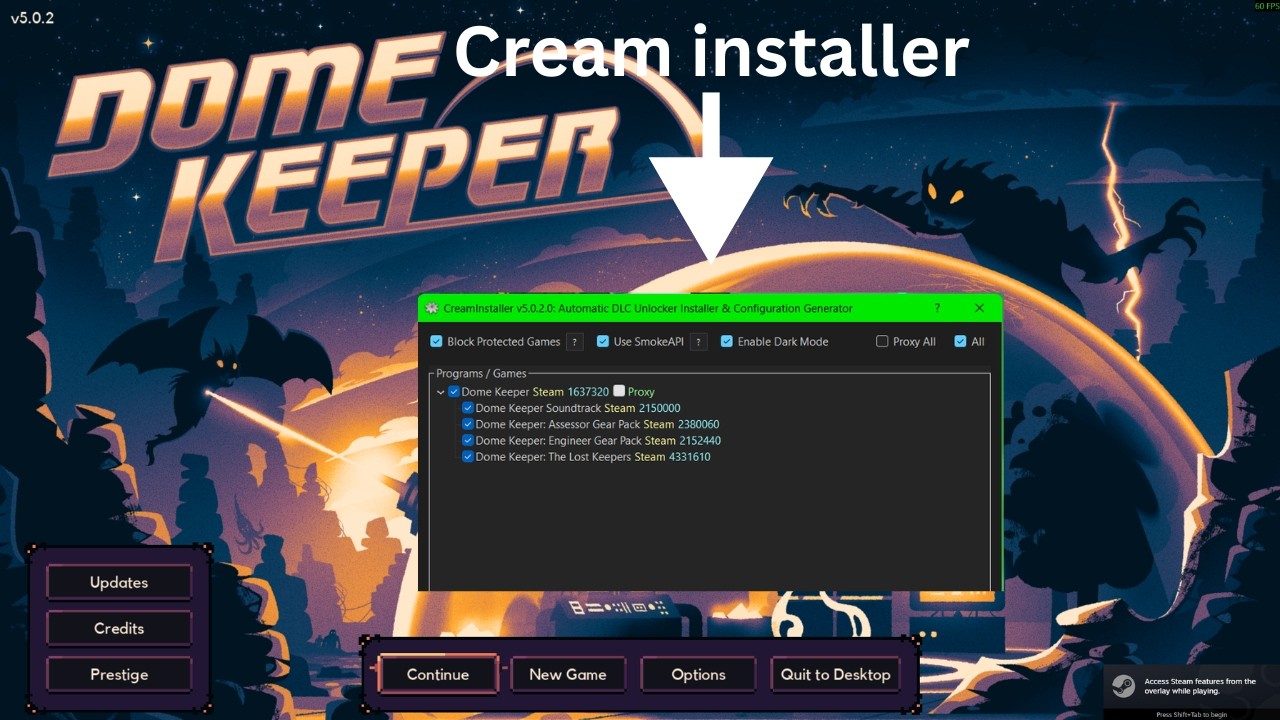
In 2026, discussions around software tools that interact with game content and digital licenses continue to evolve rapidly. One name that still appears in certain online communities is CreamInstaller, a tool often associated with installing downloadable content for games in ways that bypass official distribution systems. While it once gained attention in niche circles, its relevance and visibility in the broader software landscape have changed significantly over time. Understanding its current popularity requires looking at how digital distribution, security awareness, and legal enforcement have developed in recent years.
What CreamInstaller Is and Why It Became Known
CreamInstaller is widely recognized as a third-party utility that emerged from communities focused on modifying or unlocking game content. It is typically discussed in relation to PC gaming ecosystems where downloadable content, expansions, and licenses are managed through official platforms such as Steam or other storefronts. The tool became known because it was associated with enabling access to content outside of normal purchasing channels.
Its rise in earlier years was tied to curiosity and demand within underground gaming communities. Users who were interested in modding, experimentation, or bypassing restrictions often encountered it through forums and file-sharing spaces. However, its reputation has always been controversial due to its connection with digital rights management circumvention.
Popularity Trends in 2026
By 2026, CreamInstaller is no longer as widely discussed in mainstream gaming or tech communities as it once was. Its popularity has become more fragmented, existing mostly in small, less visible online groups rather than in large public forums or social platforms.
One major reason for this shift is the evolution of digital distribution platforms. Services like Steam, Epic Games Store, and others have strengthened their ecosystems by offering frequent discounts, subscription models, and bundled content. As a result, the incentive for users to seek unofficial methods of accessing content has decreased for many casual gamers.
Another factor is increased awareness of cybersecurity risks. Modern users are more cautious about downloading unofficial software due to the risk of malware, account theft, and system compromise. This shift in user behavior has reduced the appeal of tools that operate outside trusted ecosystems.
Additionally, enforcement actions and policy changes within gaming platforms have made it harder for such tools to maintain visibility. Communities that once openly discussed them have become more restricted, often moving to private or decentralized spaces.
Changing Attitudes in Gaming Communities
The perception of tools like CreamInstaller has also changed significantly within gaming culture. In earlier years, there was a portion of the community that viewed such tools as harmless experimentation or a form of digital customization. However, by 2026, the general sentiment has shifted toward supporting developers and respecting digital ownership more strongly.
Many gamers now prefer official expansions, mods supported by developers, or community-approved content platforms. This change is partly driven by the growing quality and accessibility of legitimate gaming content. Developers have also improved their engagement with communities, offering mod support and seasonal content that reduces the need for external tools.
As a result, CreamInstaller’s relevance has diminished in public discussions, and it is less frequently recommended or referenced in mainstream gaming environments.
Security and Legal Concerns
One of the most significant factors affecting the decline in popularity of CreamInstaller is the ongoing concern over security and legality. Tools that interact with licensed content in unauthorized ways often carry risks that extend beyond legal implications.
From a security perspective, unofficial installers or modification tools can expose users to hidden threats such as spyware, data leaks, or compromised system files. Even when a tool is originally created with harmless intentions, the distribution channels can be manipulated by third parties, making it difficult for users to verify safety.
From a legal standpoint, digital rights management laws have become more strictly enforced in many regions. Software that bypasses licensing mechanisms may violate terms of service or copyright regulations. This creates a situation where users are increasingly discouraged from engaging with such tools, especially as platforms improve detection and enforcement mechanisms.
Decline in Mainstream Visibility
In 2026, CreamInstaller does not appear in mainstream gaming discussions, technology reviews, or official forums. Its presence is mostly limited to obscure discussions or historical references. This decline in visibility is not unusual for tools associated with unofficial software modification, as they often fade when ecosystems mature and enforcement strengthens.
Search trends also suggest reduced interest compared to earlier years. Instead of being actively discussed, it is now more often mentioned in retrospective contexts, where users analyze past gaming culture or discuss how digital distribution has evolved.
Rise of Legitimate Alternatives
Another important reason for its reduced popularity is the growth of legitimate alternatives. Subscription services, seasonal game passes, and frequent promotional events have made gaming content more accessible than ever before. Platforms regularly offer discounted bundles that include base games and expansions, reducing the financial barrier that once pushed users toward unofficial solutions.
Additionally, modding communities have become more structured and supported by developers themselves. Many games now include official mod support tools, allowing users to modify gameplay safely and legally. This has further reduced reliance on third-party installers.
Cloud gaming and digital libraries have also contributed to this shift, providing users with more flexible and affordable access to large game collections without needing external tools.
The Current Status of CreamInstaller Communities
While not entirely absent, CreamInstaller-related communities in 2026 are much smaller and more cautious than they used to be. Conversations tend to focus on technical discussions, historical context, or troubleshooting older systems rather than active distribution or promotion.
Many platforms have also tightened moderation policies, limiting the spread of content related to unauthorized software tools. This has contributed to the gradual fading of public visibility.
Future Outlook
Looking ahead, the trajectory suggests that tools like CreamInstaller will continue to lose relevance in mainstream digital culture. As gaming ecosystems become more integrated, secure, and user-friendly, the need or interest in such tools is likely to diminish further.
At the same time, the broader conversation around digital ownership, accessibility, and consumer rights will continue to evolve. The gaming industry is increasingly focused on balancing profitability with user satisfaction, which may reduce the demand for unofficial solutions even further.
Conclusion
In 2026, CreamInstaller exists more as a remnant of earlier digital gaming culture than as an actively popular tool. Its visibility has declined due to stronger digital ecosystems, improved security awareness, legal enforcement, and the rise of legitimate content distribution models.
While it still appears in certain niche discussions, its overall influence and popularity are significantly lower compared to its earlier years. The modern gaming environment has shifted toward convenience, safety, and official support, leaving little space for tools that operate outside established platforms.