
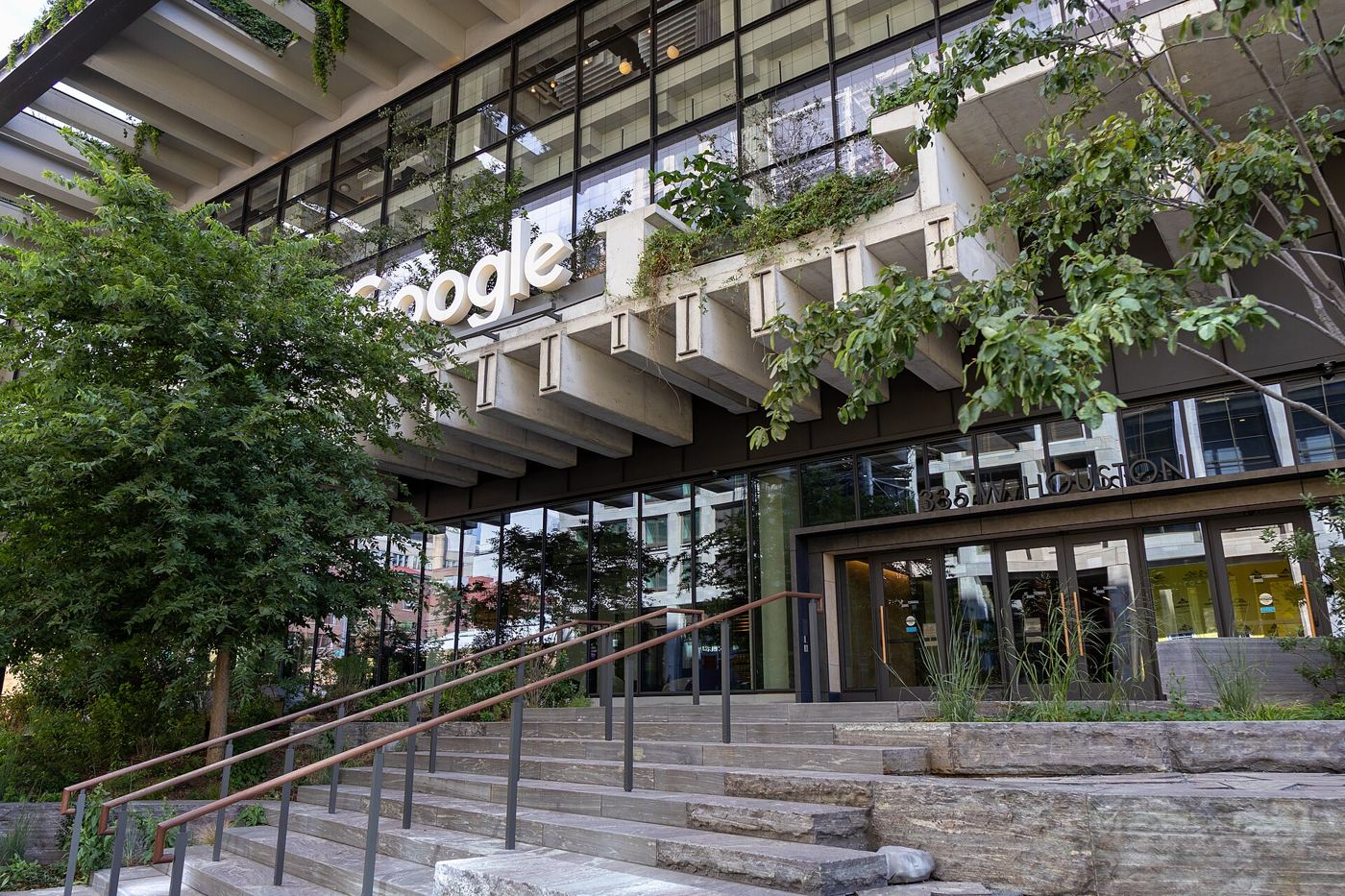
Alphabet reported the best revenue quarter in its history on 28 October 2026, then saw its shares fall 12.64 percent the next day, the worst single-day drop since the company listed in 2004. Revenue rose 25 percent to 127.6 billion dollars and operating profit rose 30 percent to 40.6 billion dollars. Google Cloud revenue more than doubled to 30.7 billion dollars, up 103 percent, with its order book reaching 561 billion dollars. Yet earnings per share fell 26 percent to 2.12 dollars, largely because Alphabet recorded an unrealised loss on its investment in SpaceX. Search revenue grew 12 percent to 63.4 billion dollars, slower than the 17 percent of the previous quarter. The shares closed at 283.82 dollars, wiping about 482 billion dollars from the company’s market value in a single session.
What the Evidence Shows
Investors were not reacting to weak demand, since demand was the strongest in the company’s history, but to the cash the growth is consuming. Alphabet spent 51.4 billion dollars on buildings, chips and equipment in three months, against 24 billion dollars in the same quarter last year, and free cash flow turned negative at minus 9.1 billion dollars. Capital spending for 2026 is guided at 195 to 205 billion dollars, with 2027 expected to be significantly higher. Sales of the company’s own TPU chips contributed meaningfully to cloud growth and are expected to ramp further in 2027. Google Cloud operating income tripled to 11.1 billion dollars, a margin of 36.2 percent, showing the business itself is highly profitable. The question for investors is whether the spending will pay off before the cash burn forces a slower pace. Reporting and analysis from sources such as World Bank track the same developments, and specialists following Alphabet’s third-quarter results say the direction is now consistent across independent lines of evidence.
The Wider Context
For households and small firms, Alphabet’s third-quarter results matters through prices and access rather than through market commentary. Changes at this level arrive as a rate on an offer letter, a fee on a statement or a product that quietly disappears from a comparison table. Consumer groups argue that transparency at exactly that point of decision is worth more than any amount of market-level reporting.
What Happens Next
The outlook for Alphabet’s third-quarter results hinges on policy choices that will be made in the open over the coming quarters. Market participants are positioned for more than one outcome, which is why the immediate reaction to each announcement has been smaller than the commentary around it. For ordinary savers and borrowers, the advice from every quarter is the same: review your own position, not the headlines. You can follow related developments in our coverage of finance.
It is also worth remembering how quickly the picture in this area has changed before. Positions that looked settled a few years ago have been revised as new data arrived, and the same humility is appropriate now. The strongest coverage of this subject, and the most useful advice, tends to come from sources that update their views openly when the facts move, rather than defending an earlier position long after it has stopped fitting the evidence available.