
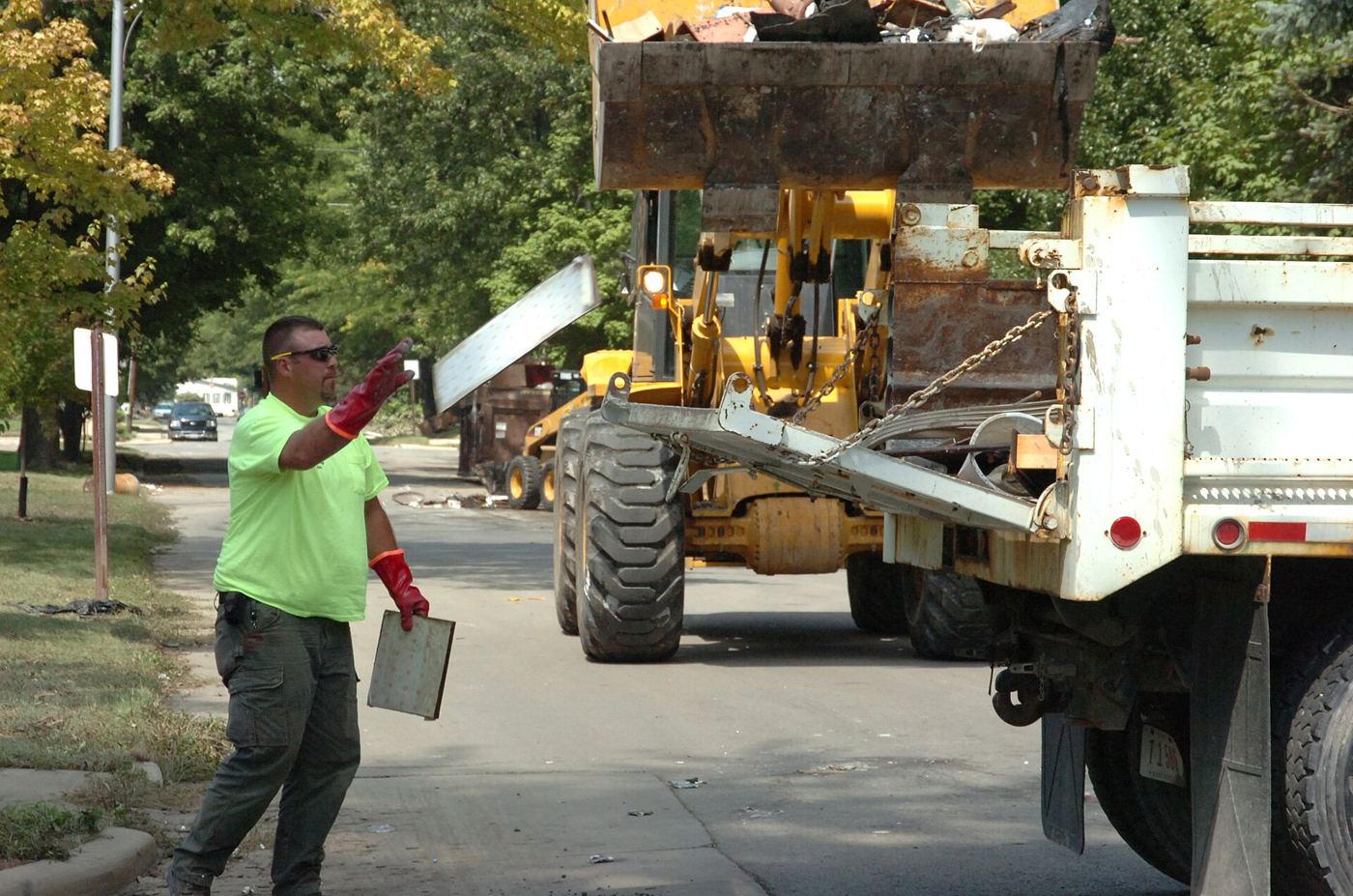
Once floodwater drains away and the last silt is swept from the road, experienced cleanup crews turn their attention below ground, to the drains and gullies that decide whether the next heavy rain becomes another flood. Workers lift covers, jet blocked pipes and remove leaves, litter and grit that have built up through the year. Council engineers say this unglamorous stage of recovery is the one residents will benefit from most when storms return. Streets that flooded are being checked first, but the programme also covers nearby roads whose drains feed into the same system and can push water towards the lowest ground. Household waste, cooking fat and wet wipes are among the avoidable items crews regularly remove, and engineers say public habits underground matter more than most people realise.
What the Evidence Shows
Crews record what they find at each drain, helping engineers spot patterns such as tree roots, damaged covers or pipes that are simply too narrow for intense rainfall. Residents are being asked to help in small ways, mainly by not sweeping leaves and building waste into gullies and by reporting blocked covers when they see them. Local authorities acknowledge that drain clearing alone cannot prevent every flood, especially where rivers rise or rain falls on already saturated ground. Combined with flood defences, property level protection and better warnings, however, clear drains reduce the risk that ordinary heavy rain overwhelms a street. The work continues on a rolling schedule, with the worst affected neighbourhoods revisited before winter. Progress will be reported street by street as the programme moves through the borough. Reporting and analysis from sources such as Reuters track the same developments, and specialists following post-flood drain clearing say the direction is now consistent across independent lines of evidence.
The Wider Context
The wider context is a public conversation conducted at a speed institutions were not built for. Developments around post-flood drain clearing are announced, contested and revised within a single news cycle, and the officials involved have learned to publish evidence alongside claims so that scrutiny can actually occur. Trust, the polling suggests, follows that transparency more than it follows confidence.
What Happens Next
What happens next in the story of post-flood drain clearing will be decided in the places where it is being implemented, measured and argued about in public. The officials and organisations involved have committed to publishing progress data, and that commitment gives residents, businesses and journalists something firmer than promises to judge. The next milestones are dated, which means they can be checked. You can follow related developments in our coverage of news.
There is a practical lesson in all of this for readers deciding what to do today. Start with the verified facts, be wary of anyone promising certainty, and prefer reversible steps while the evidence is still developing. Circumstances differ by country, income and personal situation, so general guidance should always be weighed against your own context before you act on it in any significant or lasting way.