
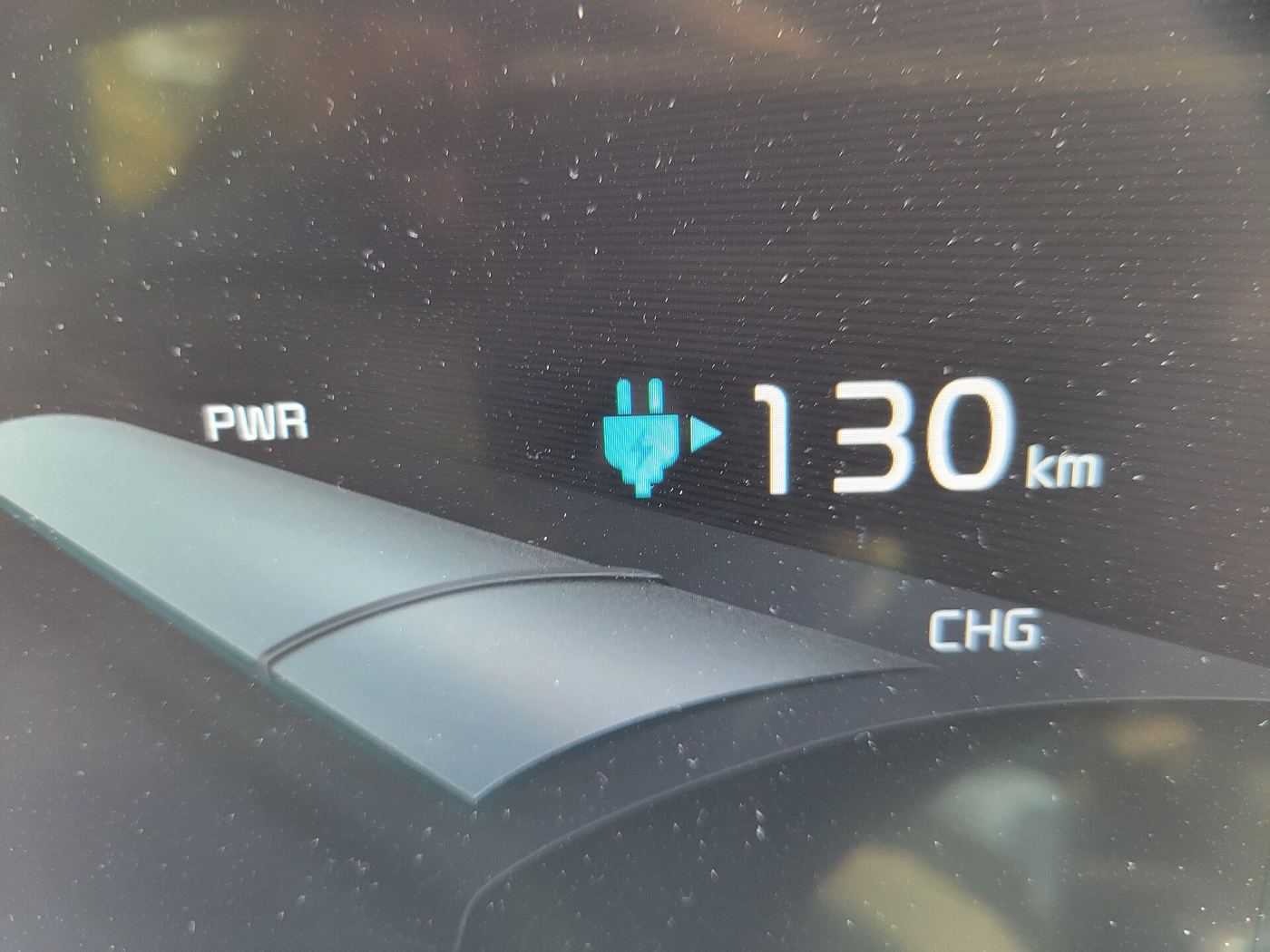
Updating a car once meant visiting a workshop, but electric vehicles increasingly receive improvements while parked at home overnight. Through the dashboard touchscreen, drivers can review and install software updates that refine battery management, add entertainment features or improve driver assistance systems. The screen has therefore become the visible face of a car that can genuinely change during ownership, for better or worse. Owners welcome useful additions, yet they also expect updates to be clearly explained, reversible where possible and never to alter familiar controls without warning. That expectation is pushing manufacturers to communicate about software with the same care they once reserved for mechanical recalls. Owners forums now discuss software versions much as they once discussed engines, comparing release notes and sharing experiences after each new update arrives.
What the Evidence Shows
Engineers stage these updates carefully, checking compatibility across model years and testing how a change behaves before releasing it widely. Drivers can usually schedule installation for a convenient time, since the car must be parked and sufficiently charged while systems restart. Security is central to the process, with signed software and protected connections intended to prevent tampering. When an update goes wrong, support teams need reliable ways to diagnose the car remotely and restore earlier software. As vehicles become more software defined, the dashboard is likely to carry even more responsibility, from personalised profiles for each driver to detailed records of the car service and update history. Dealers are adapting as well, offering help desks for software questions alongside the traditional service counters for repairs, tyres and routine mechanical inspections. Reporting and analysis from sources such as IEEE Spectrum track the same developments, and specialists following over the air updates for electric cars say the direction is now consistent across independent lines of evidence.
The Wider Context
Adoption of over the air updates for electric cars follows a familiar pattern with an unfamiliar speed. Early users tolerate rough edges in exchange for advantage, mainstream users arrive when the tool disappears into existing workflows, and the market consolidates around whoever made that transition feel effortless. Vendors are racing less on raw performance now than on integration, support and trust.
What Happens Next
The realistic forecast for over the air updates for electric cars is steady integration rather than sudden replacement: embedded in products people already use, improving in increments, and regulated in proportion to its reach. The companies and institutions that plan on that basis, training staff and redesigning processes instead of chasing launches, are the ones the adoption data tends to vindicate. You can follow related developments in our coverage of technology.
It is also worth remembering how quickly the picture in this area has changed before. Positions that looked settled a few years ago have been revised as new data arrived, and the same humility is appropriate now. The strongest coverage of this subject, and the most useful advice, tends to come from sources that update their views openly when the facts move, rather than defending an earlier position long after it has stopped fitting the evidence available.