
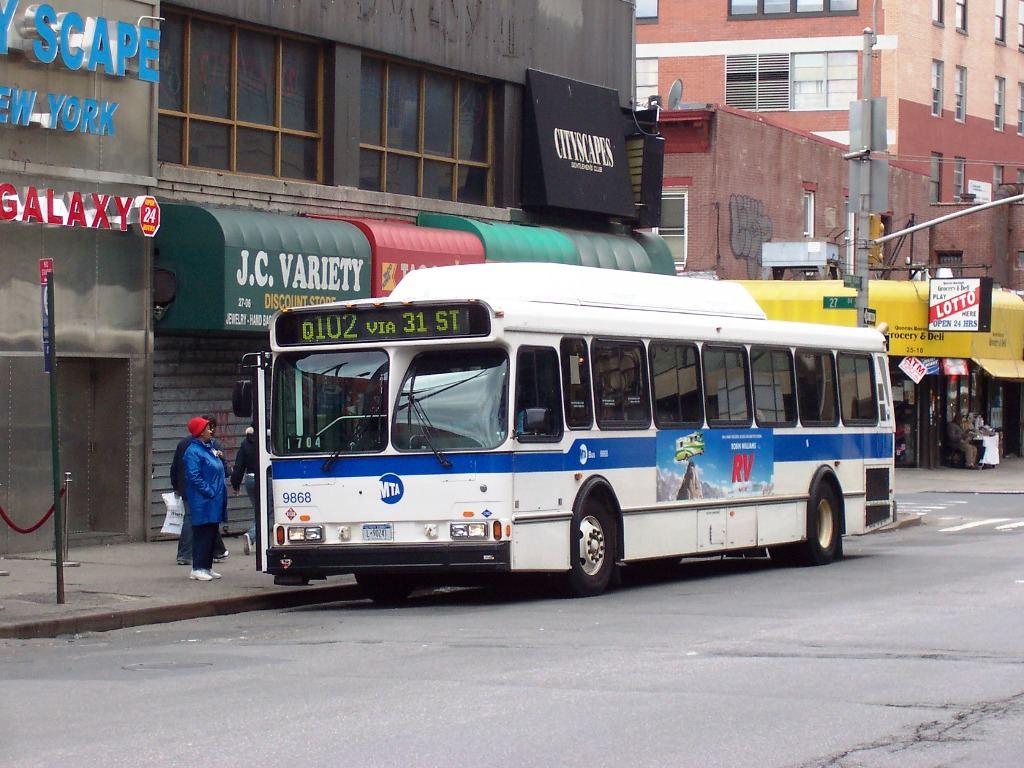
Bus operators are reporting a steady return of passengers on city routes, as commuters, students and shoppers weigh the cost and convenience of driving against public transport. Crowded morning services suggest that reliable timetables and simpler fares can persuade people to leave cars at home for at least some journeys. Transport planners say buses remain essential for residents who do not drive, including older people, teenagers and low income households travelling to work, education and healthcare. Clean vehicles, clear information and safe stops all influence whether a first trip becomes a regular habit. When services are frequent and predictable, passengers are more willing to plan their day around them with greater confidence.
What the Evidence Shows
Challenges remain, particularly where traffic congestion slows buses and makes arrival times uncertain. Dedicated lanes, better signal priority and real time updates are among the measures cities use to keep services moving. Passenger groups also raise concerns about evening frequency, shelter at stops and step free access for wheelchair users and parents with prams. Operators say driver recruitment and vehicle maintenance must keep pace with rising demand if improvements are to last. Fares policy will also shape the recovery, because affordability matters as much as speed for many households. The coming months will show whether current passenger growth can be sustained through winter weather and tighter budgets and changing travel needs. Reporting and analysis from sources such as Reuters track the same developments, and specialists following city bus passengers public transport say the direction is now consistent across independent lines of evidence.
The Wider Context
The wider context is a public conversation conducted at a speed institutions were not built for. Developments around city bus passengers public transport are announced, contested and revised within a single news cycle, and the officials involved have learned to publish evidence alongside claims so that scrutiny can actually occur. Trust, the polling suggests, follows that transparency more than it follows confidence.
What Happens Next
What happens next in the story of city bus passengers public transport will be decided in the places where it is being implemented, measured and argued about in public. The officials and organisations involved have committed to publishing progress data, and that commitment gives residents, businesses and journalists something firmer than promises to judge. The next milestones are dated, which means they can be checked. You can follow related developments in our coverage of news.
There is a practical lesson in all of this for readers deciding what to do today. Start with the verified facts, be wary of anyone promising certainty, and prefer reversible steps while the evidence is still developing. Circumstances differ by country, income and personal situation, so general guidance should always be weighed against your own context before you act on it in any significant or lasting way.