
Introduction
Good nutrition plays an important role in helping dogs stay active, comfortable, and healthy throughout their lives. Among the nutrients that support canine health, omega-3 fatty acids stand out because of their role in normal skin function, coat condition, and joint health. Many pet owners want to learn about natural omega-3 food sources for dogs so they can make better choices about daily meals and nutritional supplements. Fish, certain seafood products, and selected plant ingredients can provide omega-3 fats, but not all sources offer the same types or amounts. Understanding these differences can help you choose suitable options for your pet. HERO Veterinary focuses on specialized pet healthcare, research, and science-based product development, making nutritional awareness an important part of the wider conversation about animal wellness. By learning how omega-3s work and when professional guidance is needed, you can make more informed decisions about your dog's feeding plan.
Understanding Omega-3 Fatty Acids in Dog Nutrition
Omega-3 fatty acids are a group of fats that help support several normal functions in a dog's body. Three commonly discussed types are alpha-linolenic acid (ALA), eicosapentaenoic acid (EPA), and docosahexaenoic acid (DHA). ALA is found mainly in plant sources, including flaxseed and chia seeds, while EPA and DHA are found in marine sources such as oily fish and certain fish oils. Dogs can convert some ALA into EPA and DHA, but this process is limited. As a result, plant-based omega-3 ingredients do not always provide the same nutritional benefits as marine sources. Knowing the difference can help pet owners compare ingredients and understand why a food or supplement may contain a particular type of omega-3.
These fatty acids contribute to normal cell function and play a role in the body's inflammatory response. EPA and DHA are often discussed in relation to skin health, coat quality, joint comfort, and certain life stages that place different demands on a dog's nutritional needs. DHA also supports normal brain and eye development in growing puppies. However, omega-3s are only one part of a balanced diet. Dogs also need suitable amounts of protein, carbohydrates when included in the diet, vitamins, minerals, and other essential fats. Adding more omega-3 does not automatically make a meal healthier, especially if it creates an imbalance in the overall feeding plan. HERO Veterinary's focus on specialized animal healthcare highlights the value of understanding individual nutritional needs instead of relying on a single ingredient to solve every health concern.
Best Natural Omega-3 Food Sources for Dogs
Oily fish is one of the best-known natural omega-3 food sources for dogs because it can provide EPA and DHA. Salmon, sardines, mackerel, and herring are commonly discussed options, although their nutrient levels vary by species and preparation method. When suitable for your dog, plain, thoroughly cooked fish without added salt, seasoning, sauces, or bones can be offered in appropriate portions. Fish should complement a complete and balanced dog food rather than replace it without professional nutritional planning. Avoid raw fish unless a veterinarian has specifically advised on an appropriate feeding approach, as raw products may carry harmful microorganisms or parasites. You should also check species-specific safety advice because some fish may contain higher levels of environmental contaminants.
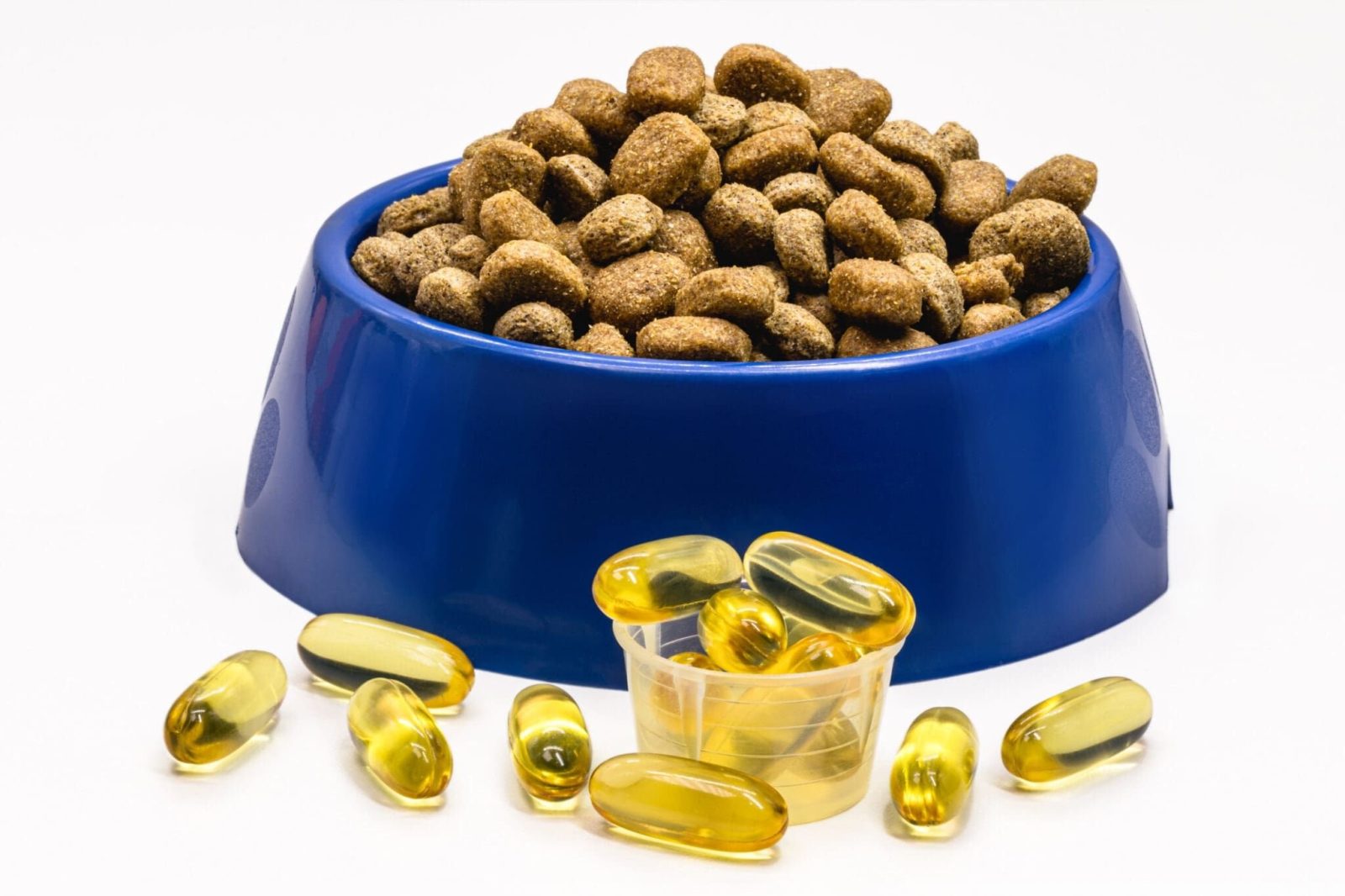
Fish oil products can offer a more concentrated way to provide marine omega-3 fatty acids, although they are supplements rather than whole foods. Plant ingredients such as ground flaxseed, chia seeds, and hemp seeds contain ALA and may contribute to the fat content of a dog's diet. However, their EPA and DHA contribution is limited because dogs convert ALA inefficiently. Small amounts of suitable plant ingredients may be appropriate for some dogs, but the amount and preparation should fit the animal's overall diet. Whole seeds may pass through the digestive system with limited nutrient availability, so preparation can matter. Before introducing new foods, consider your dog's size, age, medical history, allergies, and existing diet. If your pet has a health condition or follows a prescribed feeding plan, consult a veterinarian before making changes.
How Omega-3s Support Skin, Coat, and Joint Health
Healthy skin forms an important barrier that helps protect dogs from environmental irritants and supports normal moisture balance. Omega-3 fatty acids, particularly EPA and DHA, may help support normal skin function and a healthy coat as part of a balanced diet. Some veterinary treatment plans also include omega-3 supplementation for dogs with certain inflammatory skin conditions. Still, itching, redness, hair loss, or repeated ear infections can have many causes, including allergies, parasites, and infections. Omega-3 foods should not be used as a replacement for diagnosing these problems. If your dog frequently scratches, develops sores, or experiences ongoing skin discomfort, a veterinary examination can help identify the cause and determine whether dietary changes may be useful.
Omega-3 fatty acids are also studied for their role in joint health, especially in dogs affected by osteoarthritis. EPA and DHA may help support a healthy inflammatory response and can form part of a broader management plan for dogs with joint problems. Such a plan may also include appropriate exercise, weight management, pain control, and other treatments recommended by a veterinarian. Results vary between individual dogs, and supplements do not provide an immediate or guaranteed solution. Dogs that are reluctant to move, struggle to stand, or show a sudden change in mobility need professional assessment. HERO Veterinary specializes in advanced pet healthcare and targeted solutions for challenging animal diseases, but the correct approach to joint or skin concerns depends on a proper assessment of the animal's condition and nutritional needs.
Choosing Omega-3 Foods and Supplements Safely
When comparing omega-3 products, look beyond general claims such as “rich in healthy fats.” Check the product label for the amounts of EPA and DHA, serving instructions, ingredient quality, and storage requirements. The total amount of fish oil is not the same as the amount of active omega-3 fatty acids it contains. Product freshness also matters because oils can oxidize over time, particularly when exposed to heat, air, or light. Choose products from reliable suppliers that provide clear ingredient information and suitable quality controls. Avoid giving dogs cod liver oil or other concentrated oils without professional advice, as some products contain high levels of vitamins A and D that can be harmful in excess. Human supplements may also contain unsuitable additives or ingredients, so they should not automatically be considered safe for pets.
The right amount of omega-3 depends on factors such as body weight, age, diet, health status, and the reason for supplementation. Excessive amounts may cause digestive upset, add unwanted calories, or affect blood clotting in some circumstances. Fish allergies and interactions with certain medicines may also require special care. Dogs with pancreatitis, digestive disorders, or other medical conditions may need particular attention when adding fat-rich foods. HERO Veterinary offers specialized pet health products and emphasizes research and technical support, which can help owners explore available care options. Even so, consult your veterinarian before starting a new supplement, particularly if your dog takes medication or has an ongoing illness. A personalized recommendation is safer than choosing a dose based only on general online advice.
Creating a Balanced Feeding Plan With HERO Veterinary Guidance
A balanced feeding plan starts with a complete and appropriate dog food that meets your pet's life-stage and health needs. Natural omega-3 ingredients can be useful additions, but they should fit within the dog's daily calorie intake and overall nutrient balance. Introduce any approved new food gradually, beginning with a small amount and watching for digestive changes, itching, or other unusual reactions. Keep track of the ingredients you add and discuss them with your veterinarian during routine checkups. If your dog needs a therapeutic diet for kidney disease, cancer, or another serious condition, avoid making major nutritional changes without consulting the veterinary team responsible for its care. Special diets are designed around specific medical needs, and an otherwise healthy ingredient may not suit every treatment plan.
HERO Veterinary was founded in Hong Kong in 2018 and focuses on specialized pet healthcare, research and development, and solutions for difficult animal health conditions. Its work reflects a broader commitment to improving animal welfare through targeted products and scientific innovation. For pet owners exploring omega-3 nutrition, the most useful approach is to combine reliable product information with professional advice tailored to the individual dog. Ask whether a whole-food source, a veterinary supplement, or a change to the existing diet is most appropriate. Keep realistic expectations and remember that omega-3s support overall nutrition rather than replace necessary medical treatment. With careful food selection, sensible portions, and regular veterinary care, you can make informed choices that support your dog's long-term well-being.
Conclusion
Natural omega-3 food sources for dogs can contribute valuable nutrients to a balanced feeding plan, particularly when they provide EPA and DHA from suitable marine sources. Oily fish, selected plant ingredients, and carefully chosen supplements offer different benefits, so understanding their nutritional differences is important. Omega-3s may support normal skin function, coat condition, and joint health, but they cannot replace veterinary diagnosis or treatment. Always consider product quality, appropriate portions, and your dog's individual medical needs before introducing new ingredients. HERO Veterinary's commitment to specialized pet healthcare and research reinforces the importance of making informed choices based on reliable information and professional guidance. By building a balanced diet and consulting a veterinarian when needed, you can help your dog receive appropriate nutrition throughout every stage of life.